
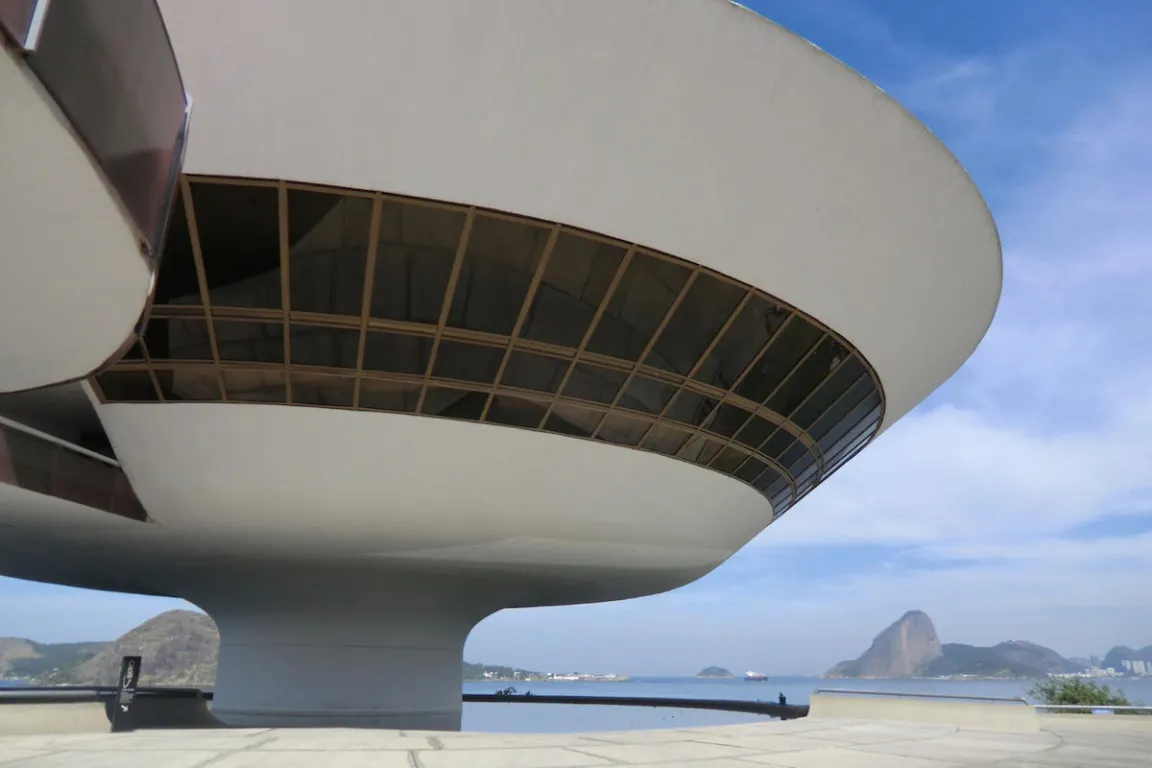
From time to time, contemporary architecture has been changing. This is because the architectural style relies on new tastes and technologies to be applied to buildings.
However, this architectural design still retains characteristics that mark it as contemporary. Among them are building construction, spatial layout, materials, and color selection that make it unique.
To better understand contemporary architecture, let's take a look at the full explanation below.
What Is Contemporary Architecture?
Since the mid-20th century (1940s-1950s), contemporary architecture has emerged as a concept in modern building design.
Broadly speaking, contemporary architecture is a building style that follows the trends of its time, without emphasizing the identity of a specific period.
That is why the concept of contemporary architecture continues to evolve over time and with technological development. In fact, the idea can be combined with conventional, modern, rustic, and other architectural styles.
Although seemingly very diverse, contemporary architecture still has distinctive features that characterize its architectural concept.
The Development of Contemporary Architecture
In the 1920s, inspiration for the contemporary style came from a group of architects from the Bauhaus School of Design in Germany. This was motivated by changes in public taste after World War II and by technological advances that could be applied to building design.
However, the rapid development of this architectural style only began in the 1940s-1980s. This is because, as time goes by, contemporary styles continue to evolve and innovate, attracting increasing public interest.
The Difference Between Contemporary Architecture and Modern Architecture
Although contemporary architecture constantly strives to create a new impression, it differs from modern architecture. Modern architecture marks a new era, while contemporary architecture follows the latest styles of the time, thus evolving in line with current trends.
To get a better understanding, here are the differences between contemporary and modern architecture:
- Theme: Contemporary architecture has a present-day theme. Meanwhile, modern architecture draws on themes from the contemporary era through the mid-20th century.
- Time: The contemporary style is not tied to a specific era and has no time limits. In contrast, the modern style is more static, having developed only during the pre-industrial and mid-20th-century eras.
- Rules: Contemporary building designs are not related to old styles because they are dynamic. On the other hand, modern architecture still retains traditional characteristics and is tied to older styles, even though its construction process is in line with the times.
Characteristics of Contemporary Architecture
As mentioned earlier, this type of architecture has distinctive characteristics even though it continues to evolve in line with the trends of its time. The characteristics of contemporary architecture are as follows:
1. Space
First, there is the use of large, open spaces without a middle partition. So, for example, the living room, dining room, and kitchen are connected without partitions.
Read also: What Is Green Building? Benefits and Examples You Must Know
2. Building Construction
Unlike other styles, contemporary architectural designs mostly use curved lines rather than straight ones. This is because curved lines make buildings and rooms look more attractive.
However, some architects choose to combine curved and straight lines to give the building a unique, dynamic look.
3. Materials
Basically, construction is carried out using materials that give a “new” impression, both for the exterior and interior.
Among other things, architects will utilize modern and traditional materials, such as glass, metal, wood, and brick. For example, a building's roof is usually glass, while its walls are metal.
4. Roof
Generally, roofs appear open in contemporary architecture. However, architects tend to enjoy exploring roof shapes in line with trends.
For example, glass roofs are in high demand because they give an impression of openness and transparency. In addition, some use flat, angular, or green shapes with plants.
5. Lighting
Lighting is also a key consideration in contemporary architecture. This is because natural lighting is still seen as a new option in the world of architecture.
To provide natural lighting, you can use glass or transparent materials on the roof and facade. In addition, large windows maximize natural lighting entering the building.
When building a private home, pay attention to the placement of windows to ensure privacy.
6. Color
Contemporary buildings typically use neutral colors, ranging from white to black to gray. Yet, these colors are often combined with other variations to create a striking impression, such as yellow, red, green, and blue.
7. Ecohousing
As mentioned above, green roofs feature plants. In fact, this is another characteristic of contemporary architecture known as eco housing.
Ecohousing refers to the use of environmentally friendly, energy-efficient elements that integrate with the surrounding environment. Therefore, the choice of materials and decorations should take these points into account.
Thus, construction not only prevents environmental damage but also enhances its visual characteristics.
Read also: What Is an Industrial Building? See Its History and Examples Here!
8. Disability-Friendly
One goal of this architectural style is to provide comfort to all individuals, including those with disabilities.
To achieve this, you can provide devices that enable them to access the building. For example, offer a disabled ramp to facilitate access between floors.
9. Lively
Last but not least, contemporary style emphasizes lively building designs, also known as animated architecture.
For example, you can add sophisticated exterior lighting, interactive facade projections, and even colored fountains.
Examples of Contemporary Architecture
Contemporary architecture is one of the most widely used styles among architects for designing modern buildings. In addition, some people choose this architectural style for their homes.
Here are some examples of contemporary architecture around the world:
- Aceh Tsunami Museum: A museum in Banda Aceh built to commemorate the tsunami that struck the province on December 26, 2004. The museum was inaugurated in 2009 with a building designed by Ridwan Kamil.
- Sydney Opera House: An opera house in Australia designed by Danish architect Jon Utzon and built in 1973.
- Beijing National Stadium: A sports stadium in China that was first used for the 2008 Paralympics.
- The Capital Gate Tower: A 34-story building in the United Arab Emirates designed by Scottish architecture firm RMJM, which eventually became the world's most leaning building.
- Millau Viaduct: A bridge over the Tarn River in France, designed by French structural engineer Michel Virlogeux and British architect Norman Foster. Currently, the bridge is one of the tallest in the world at 343 meters.
- The Auditorio de Tenerife: An auditorium in Spain designed by Spanish architect Santiago Calatrava.
- Casa Munita Gonzalez: A residence in Chile designed by Arias Arquitectos and Surtierra Arquitectura to minimize environmental impact.
Are the examples of iconic buildings above more inspiring to you to create contemporary architecture? If so, the above explanation can serve as a reference for a construction project.
Do not forget to use high-quality materials to ensure the building's construction is strong. For that, trust the Ready Mix Industry or the Precast Concrete Industry.
Through its subsidiary, Semen Merah Putih, Beton Merah Putih offers various construction solutions, including ready-mix concrete, precast concrete, Value-Added Solutions, and aggregates.
Beton Merah Putih offers ready-mix concrete with quality tailored to the latest construction standards, as well as efficient and durable precast concrete for various projects.
Furthermore, Beton Merah Putih also offers Value-Added Solutions, including consulting services and innovative product development, to support your construction needs.
In addition, high-quality aggregates are also available to ensure the stability and strength of building structures.
This ready-mix concrete product is suitable for various applications that can also be tailored to customer needs. Beton Merah Putih offers a range of high-quality options for various construction projects, including industrial, commercial, and infrastructure projects, such as multi-story buildings, housing, highways, and other developments.
As a subsidiary specialized in concrete, Beton Merah Putih ensures the quality of its products is guaranteed and supported by modern precast machinery. The product maintenance is also aligned with the standards for the implementation of computerized equipment.
If you are still considering the alternatives, you can consult with our experienced team beforehand.
For more information about ready-mix products and others, do not hesitate to contact us! Semen Merah Putih is ready to fulfill all your construction needs.
Read also: Understanding Building Permit & Its Transformation Building Approval