
Sloof casting is an important stage in house construction that should not be overlooked. The ground beam connects the columns and distributes the building's load, ensuring the structure remains stable, strong, and resistant to cracking.
If the casting is done correctly, the building will be more durable and able to withstand changes in soil conditions and weather.
Given its important role, understanding the sloof casting technique is the first step toward ensuring construction quality. So, let's look at the complete sloof-casting techniques outlined in this article to achieve a building that is solid, strong, and safe.
Sloof Casting Technique
Sloof casting cannot be done carelessly because it directly affects the strength of the building structure. Therefore, the right technique is required to achieve a denser, stronger, and more durable casting. Here are some sloof casting techniques to consider.
1. Prepare Materials
The first sloof casting technique that needs attention is preparing the materials. Materials for sloof casting include cement, sand, gravel, and water, which must be carefully selected. Make sure to use high-quality cement and clean, mud-free sand so the concrete mixture is denser, stronger, and less prone to cracking.
2. Make a Sloof Formwork
The ground beam formwork is generally made from wooden boards measuring around 15–20 cm, sized to the needs of the building. Ensure the installation is tight and sturdy so the mortar does not leak during casting, and to make the concrete leveling process easier for a neater result.
3. Sloof Reinforcement
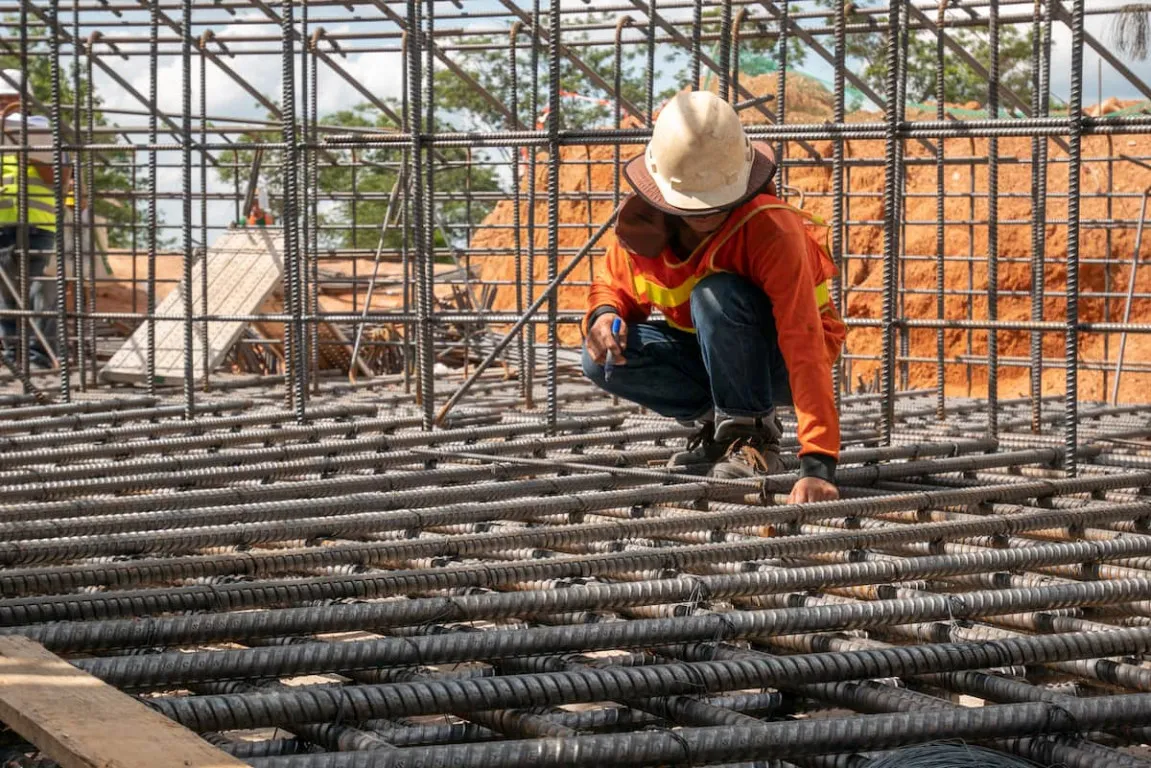
Sloof reinforcement is carried out by installing the main rebar in accordance with the working drawings, generally using reinforcing steel with a diameter of around 10 mm or more to provide tensile strength.
Next, install stirrups spaced about 10–20 cm apart to keep the rebar in place during casting. Make sure all rebar and stirrup joints are tightly tied using barbed wire to withstand the load and prevent movement.
Read also: Foundationless Suspended Ground Beam: Function & How It Works
4. Formwork Installation
Formwork is a temporary mold made of wood or plywood that shapes the concrete foundation beam (sloof). Ensure the formwork is installed tightly and securely, and that sturdy supports are in place to withstand the concrete's pressure during casting. Additionally, adjust its size per the working drawings to keep the mold neat and in accordance with the design.
5. Use Support Pipes
For large sloofs or those positioned quite high, the use of support pipes is highly necessary. These pipes keep the sloof horizontal to the columns and prevent the formwork boards from shifting or tilting during casting.
6. Sloof Casting
Sloof casting is carried out after the reinforcement and formwork are properly installed. Use concrete of the appropriate grade, such as K-225, then pour it slowly into the formwork until all parts are filled without any voids.
The concrete mix can be made from cement, sand, and gravel in a 1:2:3 ratio with a slightly watery consistency to easily flow into the mold gaps. After casting is complete, cure the concrete by regularly wetting its surface for at least 2×24 hours to ensure it hardens properly and does not crack easily.
7. Pour Concrete
Concrete should be poured slowly into the formwork to fill the mold properly. Lightly tap the mold with a wood mallet or hammer to ensure the mix reaches every corner, or use a concrete vibrator for a more even casting and a smoother surface.
8. Wait for the Concrete to Dry
After casting is complete, let the sloof harden naturally. The hardening process generally takes about three to four days, depending on weather conditions. Hot weather tends to accelerate hardening, while cloudy or humid weather can delay it.
9. Remove the Formwork
Once the concrete has fully hardened and is strong enough, carefully remove the formwork to avoid damaging the sloof structure. Recheck the cast result to ensure there are no defects, as this greatly affects the overall strength of the sloof.
10. Concrete Care
After the concrete begins to harden, cure it by regularly sprinkling water. The purpose is to maintain the concrete's moisture so it does not crack quickly, with a minimum curing period of 7 days to ensure the sloof casting results in a stronger, optimal structure.
Read also: Ground Beam Reinforcement Requirements Calculation for Foundation
Tips to Strengthen Sloof
There are several important tips to keep in mind to ensure the sloof supports the building more effectively. Here are some tips to make the sloof stronger:
1. Pay Attention to Soil Conditions
Before starting the sloof work, make sure to check the soil condition properly. Loose soil needs to be compacted first because unstable soil can cause the sloof to shift and trigger cracks. Strengthening the soil is an important step to make the building more robust and durable.
2. Choose Quality Steel
Use high-quality, rust-free steel for the sloof to keep the structure strong. Avoid recycled steel and choose a minimum diameter of 10 mm; the thicker the steel, the better the sloof's ability to bear the building load.
3. Using the Right Mix
Use the concrete mix composition according to standards to strengthen the sloof. A commonly used ratio is 1 cement: 2 sand: 3 gravel, with adequate water. The right mix will produce denser and more durable concrete.
4. Pour All at Once
Sloof casting should be done in a single operation to avoid weak joints. A paused casting process can cause cracks and reduce the sloof's strength, whereas continuous pouring results in a more solid, long-lasting structure.
5. Properly Caring for Concrete
Newly cast concrete needs to be cured to maintain moisture and prevent it from drying too quickly. Regular watering should be done with a minimum curing period of seven days, as proper care helps the concrete reach its maximum strength.
That concludes the discussion of effective sloof-casting techniques to ensure a stronger, more durable building structure. The sloof casting process requires careful planning and execution, as mistakes at this stage can directly affect the stability and lifespan of the building.
Besides the right techniques, the use of quality materials is also an important factor in the success of sloof casting. For optimal results, you can rely on Semen Merah Putih Watershield, a super premium cement with water-repellent technology that protects against water seepage from the outside and inside, as well as capillary water from the ground.
Semen Merah Putih Watershield is suitable for various construction works, ranging from sloof casting, columns, foundations, concrete slabs, to bricklaying and plastering. This advantage makes it the right choice to maintain the structural strength of buildings in the long term.
Are you planning or running a construction project? Make sure to choose high-quality cement for the best results. Contact us now for more information or consultation for your construction needs.
Read also: What Is Tie Beam? Discover the Function & How to Install It