
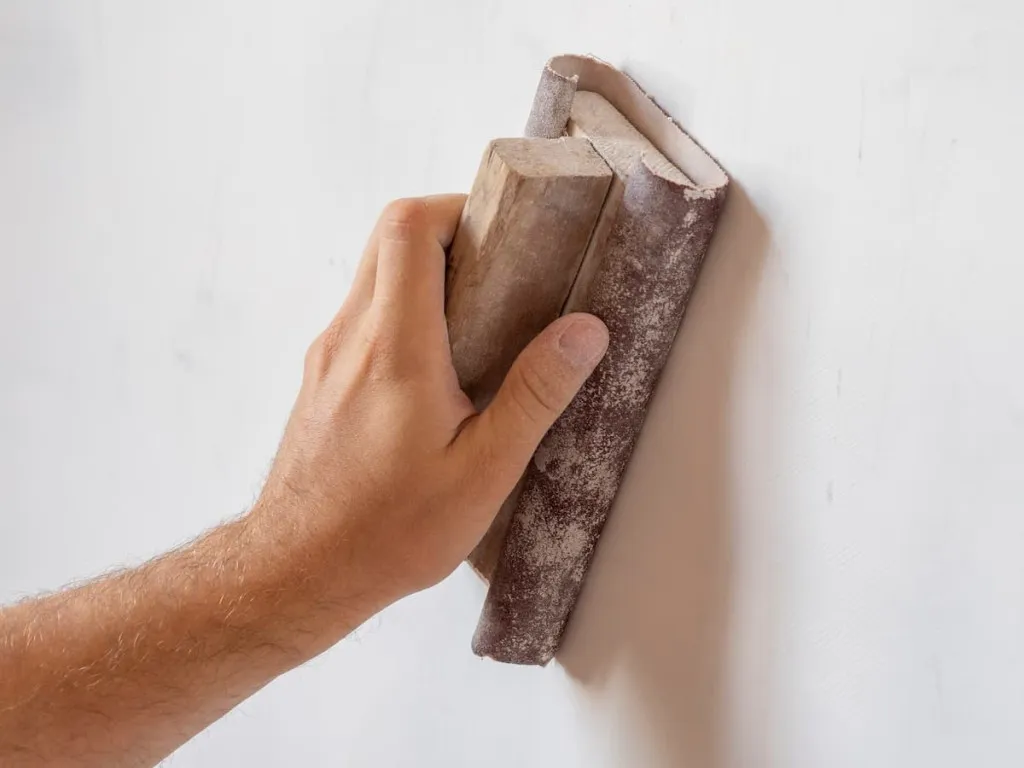
Having smooth and even walls is certainly everyone’s dream. To achieve a smooth wall surface, you must go through the sanding stage. Sanding is the process of smoothing the wall surface using sandpaper.
Unfortunately, this wall sanding stage is often done carelessly or even skipped altogether when building a house. In fact, this step determines the texture of the wall surface, whether it appears smooth or feels rough and uneven when painted.
Therefore, understanding the types of sandpaper grits for walls, along with their proper use, is essential to ensure a neat, smooth finish, as desired. Let’s take a look at the guide to choosing the right sandpaper grit for walls and their application in this article!
What Is Sandpaper?
Sandpaper is a type of paper or cloth with a rough surface used to smooth objects. It works by gradually abrading the surface until the desired level of smoothness is achieved.
In the context of walls, sandpaper is used to smooth the surface of plaster, skim coat, as well as to remove old paint residue before applying a new coat of paint. The most common type of sandpaper for walls is Aluminum Oxide. This material has a smoother surface compared to other types of sandpaper.
Sandpaper Grits for Walls Based on Grit Number
Grit is the unit used to determine the coarseness of sandpaper. The lower the number, the coarser the sandpaper. Conversely, the higher the number, the finer the sandpaper.
So, what grit of sandpaper should you use on walls? The sizes used vary widely, depending on the specific needs. Here is a breakdown of the sandpaper grits commonly used for walls.
- Coarse Grit (40-60): Used to level rough cement plaster surfaces and remove old paint layers.
- Medium Grit (80-120): Used to smooth surfaces after coarse sanding and remove putty.
- Fine Grit (180–220): Ideal for removing small scratches from wall surfaces before painting.
- Extra-Fine Grit (240–400): Typically used for finishing work, such as smoothing out a coat of paint before applying the next layer.
Read also: Skim Coating vs. Plastering: Find Out How to Apply Them!
Tips for Choosing the Sandpaper Grit for Walls Based on Their Condition
Before you begin sanding, select the appropriate sandpaper grit for your walls based on the surface condition. Here are some essential tips for choosing the right sandpaper grit.
1. New Walls with Plaster
Plaster is a base layer of white putty applied after the plastering stage. This plaster serves to smooth the surface and strengthen the paint’s adhesion for optimal painting results.
When sanding plastered walls, use a fine-grit (180–220) sandpaper, followed by an extra-fine grit. Avoid using grits below 100, as they can cause scratches that affect the final paint finish.
2. Old Walls with Peeling Paint
Before repainting damaged or peeling walls, you need to sand them first. Start with coarse-grit sandpaper to remove the old paint residue. Once the paint has been removed, smooth the surface again with very fine-grit sandpaper (240 grit or higher) before applying plaster or new paint to ensure a smoother wall surface and better paint adhesion.
3. Walls in Poor Condition
Walls with holes or hairline cracks can certainly detract from your home's appearance. Repair these areas using a cement or mortar mixture (depending on the extent of the damage). Once the patch has dried, smooth the area with medium-grit sandpaper. Sanding is necessary to ensure the repaired area does not look raised or “patchy” once the wall is painted.
Read also: Recommendation for Wall Waterproof Coatings and Prevention Tips
How to Sand Walls Properly
The sanding process should not be done carelessly, as it will affect the finish of the wall surface. Here are the proper steps for sanding.
1. Prepare Sanding Tools
Before you start sanding, gather the necessary tools, such as a sanding block, personal protective equipment (hat, mask, goggles), a dust-catching mat, and a work light.
Using a sanding block ensures even pressure across the entire surface. You must also wear personal protective equipment like a hat, mask, and goggles because sanding dust is extremely fine, making it very dangerous if it gets into your eyes or is inhaled.
2. Prepare the Area to Be Sanded
The sanding process will produce fine dust. Therefore, you need to cover furniture with plastic or cloth first. Also, make sure the area to be sanded has adequate ventilation so that the flying dust does not make the air stuffy.
3. Choose the Right Sandpaper Grit
As explained earlier, when sanding, choose the right sandpaper grit for the wall based on its condition. Choosing the wrong grit can damage the wall’s texture.
4. Use the Right Sanding Technique
Sanding should not be done carelessly. Sand using light circular motions. Do not move the sandpaper horizontally or vertically, as this can scratch the wall surface.
Avoid applying too much pressure while sanding. You should also replace the sandpaper if it feels too smooth.
5. Use a Power Sander
For larger wall sanding projects, using just a sanding block can be very tiring. You can use a power sander to save time and energy. Ensure the machine’s pressure remains steady and that the sanding passes overlap evenly to achieve the best results.
6. Check the Wall’s Smoothness with Light
Use a flashlight or work lamp and aim it parallel to the wall’s surface. The shadow cast by the light will reveal any uneven or wavy areas on the wall, making it easier for you to fix them.
7. Remove Sanding Dust from the Wall
After sanding, don’t forget to clean the wall before painting. Use a sponge or a damp cloth to remove any remaining sanding dust. A dirty wall surface will reduce the paint’s adhesion.
That concludes the information on choosing the right sandpaper grit for walls and how to sand them. With the right selection and application, the walls of your home will have a smooth and even surface.
To achieve optimal sanding results, also ensure the wall is in good condition by using high-quality cement, such as Semen Merah Putih. One of its flagship products is Semen Merah Putih Watershield, a super-premium multipurpose cement that provides triple protection against water seepage from the outside, inside, and the ground or capillary water.
Semen Merah Putih Watershield is suitable for use with plaster and skim coat materials, ensuring the sanding process produces a solid, smooth surface on the walls.
Contact us for more information about Semen Merah Putih products and the best solutions tailored to your project’s needs!
Read also: Guide to the House Construction from Scratch to Finish