
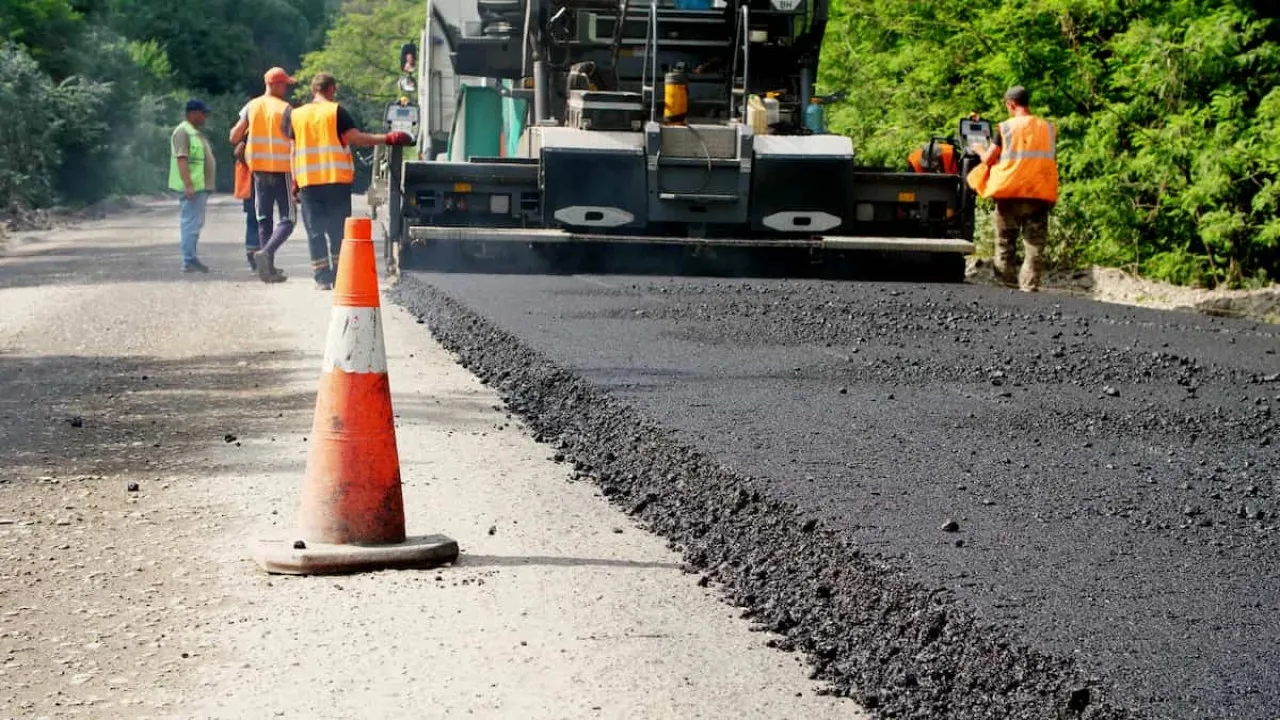
Road construction plays an important role in daily life. Well-built roads not only facilitate the mobility of people and goods but also support the economy, open access to remote areas, and improve access to healthcare and educational facilities.
There are various types of road construction with different characteristics and materials, such as asphalt and concrete roads, each with its own advantages and disadvantages. The construction process also involves a series of stages that must be followed to maintain the road's quality.
In this article, you will gain a deeper understanding of the types of road construction as well as the stages of their implementation. Read on to learn how good roads can support mobility and improve the quality of life in society.
What Is Road Construction?
Road construction is a series of planning, building, and road maintenance activities aimed at supporting mobility and transportation. This process uses various pavement methods to ensure the road is strong, durable, and meets safety standards.
The road structure consists of several layers of materials designed to withstand traffic loads and weather effects. All stages of work, from surveys to paving and marking installation, require technical expertise and strict supervision to ensure the results meet standards.
Types of Road Construction
Road construction comes in various types designed according to environmental needs and different functions. From urban streets to toll roads, each type has specific characteristics that support smooth mobility.
These types of construction play an important role in connecting regions and strengthening infrastructure. Here are some commonly encountered types of road construction:
1. Concrete Roads
Concrete roads, or rigid pavements, are road constructions with a concrete surface layer, known for being very strong and durable.
The structure of a concrete road consists of a subgrade (base soil), a graded subbase to distribute loads, and a concrete layer made from a mixture of cement, aggregates, and water, which can be reinforced with steel to prevent cracking.
Its main advantages lie in its ability to support heavy loads, long service life, and relatively low maintenance requirements. Although durable, maintenance, such as repairing fine cracks and maintaining the surface, is still necessary to ensure optimal performance.
Read also: Lean Concrete: Functions, Manufacturing Steps & Advantages
2. Paving Block Roads
Paving block roads are a type of road that uses concrete blocks shaped in hexagons, squares, and other forms with a cement concrete mixture as the main material. This type of road is commonly implemented in residential areas, sidewalks, and parking areas because it has a neater appearance and offers more variety in shape, size, and color.
Its advantages include relatively easy installation, disassembly, and reassembly, resistance to static loads and liquid spills, and the ability to absorb water through the gaps between the blocks.
However, paving block roads have a higher initial cost, a rougher surface, are at risk of gaps and unevenness if the foundation is weak, are less suitable for fast traffic, and require regular maintenance.
3. Dirt Roads
Dirt and gravel roads are simple roads made from natural materials, such as soil, gravel, or crushed stone, with a construction process that is quick and easy. This type of road is commonly used in rural areas, parks, and temporary areas because it is less expensive and the materials are readily available.
Its advantages include ease of construction and repair, low cost, and greater environmental friendliness. However, these roads require regular maintenance, are less durable under heavy traffic, can become muddy when it rains, are prone to dusting, and can shift.
4. Asphalt Roads
Asphalt roads use a mixture of hot asphalt and aggregates to create a flat, flexible surface. This construction is commonly used on main roads and in residential areas because repairs are relatively easy when damage occurs.
Its advantages include a smooth surface, driving comfort, a sense of safety, and practical maintenance. However, asphalt roads are less resistant to water pooling, oil spills, and heavy loads, and require good drainage, making them more prone to damage and having a shorter lifespan.
Read also: How to Calculate Road Concreting Costs: A Complete Guide
Types of Road Pavement Construction
Choosing the right pavement type is important to ensure the road is durable, comfortable, and easy to maintain. Each type of pavement has different characteristics and functions depending on traffic conditions, soil type, and budget. Here are some types:
- Flexible Pavement uses flexible asphalt layers to distribute loads to the underlying layers. It is easy to repair, has low maintenance costs, and is suitable for roads with medium to high traffic volumes.
- Rigid Pavement uses strong and durable concrete, ideal for busy roads or industrial areas because it requires minimal maintenance and can withstand heavy loads and weather changes.
- Composite Pavement combines flexible and rigid layers to increase strength and flexibility, making the road more durable and able to withstand excessive loads.
Function of Road Construction
Road construction serves as an access facility that enables people to move about in their daily activities. Road development also plays an important role in supporting economic growth, social interaction, and equitable regional development.
The presence of roads helps smooth the distribution of goods and services and improves connectivity between regions. Therefore, road construction has a strategic function in supporting society's needs in various aspects, such as:
- Making mobility easier: Helps people move from one place to another more quickly and efficiently.
- Supporting economic growth: Facilitates the distribution of goods and the conduct of business activities.
- Increasing regional access: Opens up connectivity between areas that were previously difficult to reach.
- Encouraging social interaction: Makes it easier for people to carry out activities and communicate across regions.
- Equitable development: Supports equitable access to infrastructure, ensuring development is more evenly distributed.
Road Construction Stages
Road construction follows a series of structured stages and requires careful planning to ensure a strong, durable result. Each process must be carried out professionally to maintain the road's quality and durability.
As a main access facility, the work is carried out gradually from the initial stage to completion. Here are the stages of road construction from planning to the final stage:
- Planning and site survey: Carried out to analyze topography, soil types, and the environment as the basis for design and material selection.
- Land preparation: Involves land acquisition through coordination and agreement with relevant parties.
- Excavation and backfilling: Aimed at leveling and stabilizing the ground surface before construction begins.
- Drainage construction: Built to ensure smooth water flow, thereby reducing the risk of road damage.
- Road foundation construction: Using crushed stone and gravel compacted to form a strong road base.
- Pavement layer work: Laying layers of material over the foundation to make the road structure stronger.
- Installation of supporting facilities: Adding markings and signs to improve road user safety.
That is the information on road construction, from its various types to the stages of work to be considered. As explained, the quality of road construction is greatly influenced by the materials used.
To achieve optimal, durable road construction results, use quality materials, such as Semen Merah Putih's flagship products. These products are designed to provide maximum strength for every application, from plastering and bricklaying to road casting, so your project can be completed with strong, long-lasting results.
With the right material selection, road construction work becomes more efficient, safer, and delivers better road quality for society. For more detailed information about Semen Merah Putih products and solutions for your construction projects, don’t hesitate to contact us now!
Read also: Silica Sand: What Is It Used for in Constructions?