
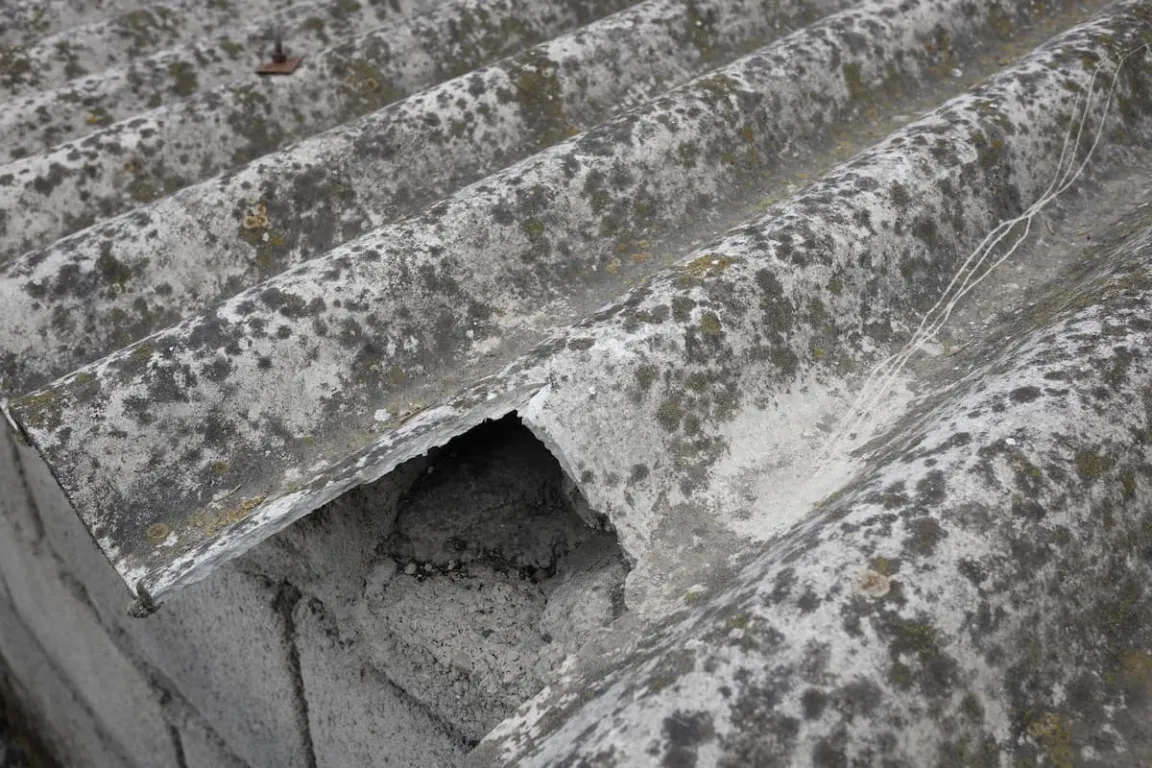
Having a sturdy and aesthetically pleasing roof is certainly a dream, especially since concrete roof slabs are now popular for drying clothes, relaxing, or extending living space in homes with limited land area. However, because they are directly exposed to extreme weather, leaks in concrete roof slabs often occur due to poor-quality raw materials or an imperfect pouring process.
Concrete pouring that fails to meet standards can lead to cracks, an uneven surface, and even holes in the slab, resulting in increased water absorption. If you are planning to renovate your house, inspecting the condition of your concrete slab is crucial. To that end, let’s explore the main causes and how to prevent them in the following article.
Causes of Leaks in Concrete Roof Slab
To properly address a leak in your concrete roof slab, first identify the main factors that often cause it to seep and leak.
1. Inadequate Casting Process
If materials such as cement, sand, gravel, water, and additives are not mixed thoroughly, the concrete mixture may clump or become difficult to pour. As a result, the internal structure of the concrete slab will contain air pockets that can lead to water penetration.
2. Structural Damage Due to Extreme Temperatures
Excessively high temperatures can cause the concrete to expand. Over time, this expansion will gradually compromise the structural integrity of the concrete slab, eventually leading to the appearance of shallow, hairline cracks on the concrete surface.
3. Weather-Induced Cracks and Hairline Cracks
Over time, the plaster layer on the roof slab may develop cracks due to constant exposure to alternating hot and rainy weather. These thin, elongated cracks act as pathways for rainwater to seep directly into the house.
4. Concrete Thickness Does Not Meet Standards
Ideally, a concrete roof slab should be at least 12 cm thick or designed according to the structural requirements of the building. If the contractor’s poured concrete falls below this standard, the roof slab will be more prone to leaks.
5. Clogged or Blocked Drainage Channels
The primary function of drainage channels on a concrete slab is to channel rainwater away to prevent pooling. When these channels do not function properly, accumulated water can seep into the concrete, weakening its structure and eventually causing cracks and leaks.
Read also: Concrete Slab Roof Details: Types, Structure, & Building Tips
6. Algae and Mold Growth in Damp Areas
Allowing the concrete roof surface to remain damp for extended periods encourages the growth of algae and mold. If left to thrive, these organisms can gradually damage construction materials and cause leaks.
7. Rough and Porous Concrete Surface Texture
A surface finish that is not smooth or has large pores is highly susceptible to water infiltration. Additionally, sloppy workmanship or an overly rapid drying process can also trigger cracks, which have a far more detrimental impact on the roof’s durability.
8. Choosing the Wrong Waterproofing Product
Applying waterproofing to a concrete roof slab is indeed the right preventive measure. However, you must ensure that the waterproofing product is suitable for concrete roof slab applications so that it provides maximum protection.
How to Prevent Leaks in Concrete Roof Slabs
Now that you know the various causes, you certainly do not want this problem to drag on. To prevent your concrete roof slab from leaking, there are several steps you can take. Check out the following methods to prevent concrete slab leaks:
1. Thoroughly Clean the Slab Surface
Before applying any coating, make sure to inspect and clean the concrete slab surface of any dust, mold, oil, or dirt that may be present. A clean surface is key to ensuring the waterproofing coating adheres perfectly and lasts much longer.
2. Ensure Accurate Product Measurements and Mixing Ratios
Every waterproofing product has different application instructions. Some can be used directly, while others must be mixed with additional ingredients first. So, be sure to follow the instructions carefully to ensure the mixture is prepared correctly, allowing the product to perform effectively.
Read also: Floor Casting Calculation Per Meter: Easy and Accurate Steps
3. Install Roof Flashing in Exposed Areas
For extra protection, you can install roof flashing along exposed sections of the roof, such as around skylights or dormers. These components are specifically designed to divert water flow toward the drainage system so that rainwater does not seep into your house's roof structure.
4. Choose the Right Type of Waterproofing Coating
You can select the type of coating based on your needs. For liquid coatings, you can easily apply them yourself using a brush or roller. However, if you choose a membrane type, it is best to hire a professional installer since the process requires specialized equipment and expertise.
5. Apply a Waterproofing Coating
The most effective preventive measure is to apply a waterproofing coating. You can apply it not only to the roof slabs but also to other prone areas, such as vents, glass roofs, and even chimneys. This coating can prevent water seepage caused by damaged drainage channels while also preventing mold growth.
Choose High-Quality Concrete Materials from Semen Merah Putih
That concludes our discussion on the various causes of leaks in concrete roof slabs and tips for preventing them. Ensuring the quality of materials and the pouring process from the start is crucial to keeping your concrete slab roof sturdy and leak-free.
To achieve the best results, using Ready-Mix Concrete from Beton Merah Putih is a highly effective and efficient choice. Produced directly at the batching plant with precise measurements by experts, this ready-mix concrete ensures consistent quality and strength while saving time on your project.
As a downstream product brand of Semen Merah Putih, Beton Merah Putih provides solutions ranging from ready-mix concrete and precast concrete to high-quality aggregates for all your construction needs.
For your construction project needs, here is a selection of excellent products from Semen Merah Putih:
- Semen Merah Putih ULTRAMIX-G: Portland cement designed for a wide range of general construction applications, such as ready-mix and precast concrete. Its use requires no special conditions and delivers reliable, high-quality results for buildings, roads, and bridges.
- Semen Merah Putih PRIMAPLUS: An environmentally friendly hydraulic cement that enhances resistance to sulfate attack and reduces the heat generated during hydration. It is ideal for structures requiring high quality and sustainability.
- Semen Merah Putih FLEXIPLUS: Hydraulic cement manufactured in accordance with SNI 8912:2020 and available in three types, namely Type GU, Type MS, and Type HE, for structural applications.
- Semen Merah Putih SUPERMIX: A composite Portland cement ideal for ready-mix concrete, mortar, and precast concrete, providing optimal density and compressive strength for easy casting.
So, choose high-quality cement to achieve the best results in your construction projects. Contact us now to learn more about Semen Merah Putih products and find the best construction solutions for your project!
Read also: Estimated Concrete Casting Cost Per Meter: Detailed and Accurate!