
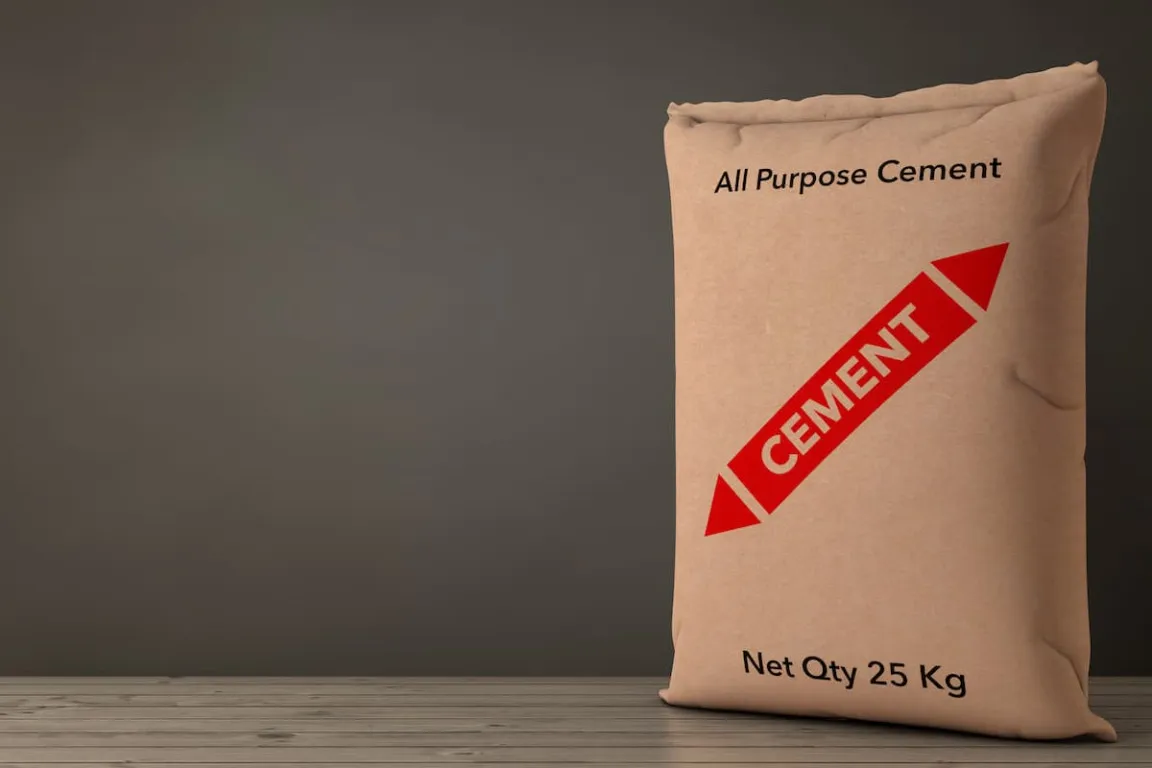
Instant cement is an essential material used in construction projects, whether large or small. This product is a practical solution for many construction workers who want to accelerate work and achieve more efficient results.
Although instant cement looks similar to regular cement, there are several differences you should understand before deciding to use it. Let's take a look at the differences between instant cement and regular cement, starting from the ingredients, its application, and tips for choosing it below!
What Is Instant Cement?
Instant cement is a ready-to-use cement mixture that only requires the addition of water according to the specified measurement. Unlike regular cement, which must be mixed with other additional ingredients, instant cement is designed to simplify and accelerate the construction process.
Instant cement is available in various types and uses, depending on its function, ranging from binding building materials to floor adhesives to wall plaster. This convenience has led many contractors and house builders to choose instant cement during construction.
Differences Between Instant Cement and Regular Cement
Instant and regular cement share many similarities, but they also have fundamental differences. Here are some of the differences between instant cement and regular cement:
1. Composition and Mixing
To produce a strong mixture that meets standards, regular cement must be mixed with other materials, such as sand and water, in the right proportions. Meanwhile, instant cement already has a standardized mixture of ingredients in its packaging, so you only need to add water.
2. Usage Time
Regular cement requires more time for mixing and application because the ingredients must be mixed in the correct proportions. On the other hand, instant cement is very quick to use because it is ready to use and only needs to be mixed with the appropriate amount of water.
3. Function and Use
Instant cement is mostly used for specific applications, such as wall plastering, floor adhesive, or crack filler, which need a mix that is easier and quicker to make. Regular cement is more flexible and can be used in all kinds of construction projects, whether big or small.
4. Strength and Durability
Although instant cement offers convenience and time efficiency, regular cement tends to be stronger and more durable because it can be mixed to the right proportions for project requirements. Meanwhile, instant cement, although strong, has slightly lower durability than manually processed regular cement.
5. Cost
Instant cement is relatively more expensive than regular cement. However, when calculated overall, instant cement is usually more efficient because there is minimal material waste, shorter working time, and a lower risk of mixing errors. Regular cement may seem more affordable initially, but it can increase costs due to labor and material waste.
6. Suitability of Use
Instant cement is more suitable for house renovations, small- to medium-scale projects, or jobs that require neat, quick results. Meanwhile, regular cement is still widely used in large projects that require high volumes of material and experienced workers to maintain the mixture's quality.
Read also: Understanding Differences Between PCC and PPC Cement
Advantages of Instant Cement
Instant cement offers several advantages, making it an attractive choice for small to medium-sized projects. Here are some of the main advantages of instant cement over regular cement:
1. Easy to Use
Instant cement is very easy to use because it does not require complicated ingredient mixing. You only need to add water according to the recommended amount, and the instant cement is ready to use. This certainly saves a lot of time and energy.
2. Time Efficiency
Instant cement reduces the time needed to mix ingredients and prepare the cement mixture. Using instant cement speeds up the work process, which is very beneficial for projects with tight deadlines.
3. Even and Consistent Results
Instant cement produces more even, consistent results than regular cement, which requires manual mixing. This makes your work easier and reduces the risk of errors in the mixture.
4. Minimal Hairline Cracks
Instant cement tends to have a smoother texture and is easier to flatten, resulting in a neater finish. Additionally, its formula is designed to reduce shrinkage, a common cause of hairline cracks.
5. Easier to Store
Instant cement is generally tightly packaged and protected from moisture, making it easier to store and more durable than regular cement, which must be used immediately after being opened.
6. Cost Efficiency
Although the price per package of instant cement seems higher, you can reduce the cost of other materials needed for regular cement, such as sand. In this case, material usage becomes more measurable, material waste is reduced, and work time is shorter. Thus, labor costs and the risk of waste can be minimized.
7. Available in Various Varieties to Suit Your Needs
Instant cement comes in various types for specific functions, including plaster, stucco, lightweight brick adhesive, and waterproof coating. Each variant has characteristics tailored to its application needs. This makes it easier for you to choose the most appropriate product without having to use one mixture for all jobs.
Applications of Instant Cement
Instant cement is highly versatile and can be used for a wide range of construction industry applications. Some examples of its applications include:
1. Wall Plastering
Instant cement can be used for wall plastering to achieve a smooth and even finish. This is particularly useful for renovation projects or new house construction as it accelerates the process.
2. Floor Adhesive
For installing ceramic tiles or floor tiles, instant cement can be a practical solution. With its easy-to-adjust consistency, instant cement can be used to attach floors firmly and evenly.
3. Crack Filler
Instant cement can also be used to fill cracks in walls or other surfaces. Its quick and easy application makes instant cement suitable for small repairs that require speedy completion.
4. Waterproofing and Damp Areas
Some types of instant cement are specially formulated for waterproofing, making them suitable for bathrooms, balconies, roofs, and other areas often exposed to water. With the right product, you can reduce the risk of seepage and leaks. The waterproof instant cement helps increase the building's resistance to moisture.
5. Renovation Work and Small-to-Medium Construction Projects
Instant cement is very helpful for renovation projects because it is more practical and requires less space for material storage. Your work will look neater without a pile of sand and other materials.
With its various uses, instant cement is a practical choice for many construction projects that require time and labor efficiency. When constructing a building, you need to pay attention to cement.
However, you no longer need to worry or be confused about choosing a reliable cement. One product you can rely on is Semen Merah Putih Watershield.
With its water-repellent technology, Semen Merah Putih Watershield provides dual protection against water seepage from the outside, inside, and soil (capillary water). This technology makes Semen Merah Putih Watershield the ideal choice for those seeking construction materials with high moisture resistance.
So, what are you waiting for? If you are interested in knowing more about Semen Merah Putih Watershield or need further consultation, do not hesitate to contact us now. Semen Merah Putih is your go-to choice for construction products that meet your project needs!
Read also: Portland Cement: Definition, Functions, and Types