
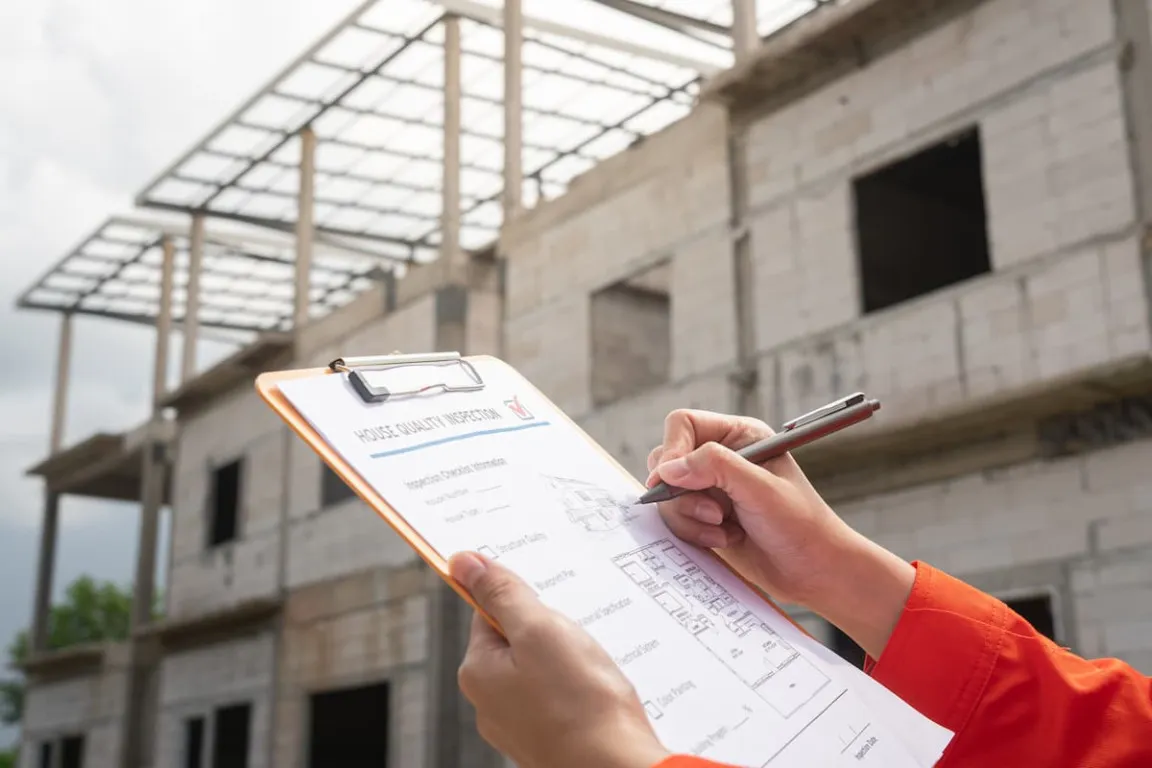
A Certificate of Functionality is an important document that ensures a building is safe and suitable for its intended purpose. For those who work as builders, contractors, or building consultants, understanding this certificate is crucial because it directly relates to the building’s legality, safety, and investment value.
Many people still view the Certificate of Functionality (Sertifikat Laik Fungsi/SLF) as merely an administrative formality. In reality, this document serves as official proof that the building has met the government-established technical standards before it is put into operational use. Without this document, the building risks facing legal issues and even safety concerns for its users.
This article thoroughly explains everything to help you understand what a Certificate of Functionality is, its legal basis, benefits, and how to obtain it straightforwardly. Take a closer look below.
Certificate of Functionality and Its Legal Basis
A Certificate of Functionality, also known as Sertifikat Laik Fungsi in Indonesian (SLF), is a certificate issued by the local or central government confirming that a building has met administrative and technical requirements and is suitable for use in accordance with its intended function.
Provisions regarding this certificate are set out in various regulations, including Government Regulation Number 16 of 2021 concerning Buildings. This regulation stipulates that every completed building must have a Certificate of Functionality before it can be utilized.
In other words, the certificate also serves as proof that a completed building has undergone a technical evaluation process covering several key aspects, namely:
- Safety aspects, such as structural strength and fire protection systems.
- Health aspects, including ventilation, lighting, and sanitation.
- Comfort aspects, such as air circulation systems and spatial layout.
- Convenience aspects, such as accessibility and building user facilities.
For contractors, developers, and building consultants, the Certificate of Functionality is a crucial component in ensuring that construction projects meet applicable technical standards. Additionally, it is a key requirement for various business licensing processes and for the operation of commercial buildings, such as offices, hotels, and shopping centers.
The Importance of a Certificate of Functionality
Obtaining a Certificate of Functionality is not only about fulfilling legal obligations but also provides numerous benefits for building owners and parties involved in the construction project. Some of the main benefits of this certificate are as follows:
- Ensuring the Building’s Legality. This certificate serves as proof that your building has met applicable legal requirements and construction regulations. Without a Certificate of Functionality, the building may be considered officially unfit for use.
- Ensuring the Safety of Occupants. The Certificate of Functionality ensures that the building’s structure, electrical installations, fire protection systems, and various other technical components have been inspected and deemed safe.
- Boosting Investor and Tenant Confidence. For developers or owners of commercial buildings, a Certificate of Functionality can boost the confidence of investors, tenants, and property buyers, as it certifies the building as fit for use.
- Supporting the Property Insurance Process. Some insurance companies require a building to have a Certificate of Functionality to receive optimal coverage.
- Preserving Property Value. Buildings with complete documentation, including a Certificate of Functionality, typically command higher sale or rental values compared to those without it.
Read also: Lean Construction: An Effective Way to Manage Building Projects
Risks of a Building Without a Certificate of Functionality
Buildings without a Certificate of Functionality may face serious risks, including legal, safety, and financial risks. If a building lacks this certificate, the owner may face administrative sanctions, ranging from written warnings to the suspension of building use.
In addition to administrative sanctions, some regions impose criminal penalties under applicable local regulations. From a legal standpoint, the government may impose administrative sanctions such as:
- Warning letter.
- Restrictions on construction activities.
- Suspension or revocation of the Buildings Approval (Persetujuan Bangunan Gedung/PBG).
- Order to demolish the building.
From a safety perspective, buildings without a Certificate of Functionality are at risk of various technical issues, including building structural defects, unsafe electrical installations, or inadequate fire protection systems. In the event of an accident or damage, building owners also face the potential for significant financial losses, including rejection of insurance claims.
How to Obtain a Certificate of Functionality
Currently, the process of obtaining a Certificate of Functionality is conducted digitally through the Building Management Information System (Sistem Informasi Manajemen Bangunan Gedung/SIMBG), which is integrated with the Online Single Submission (OSS) licensing system. This system was created to streamline the building permitting process, making it faster, more transparent, and more efficient. Generally, the steps for applying for a Certificate of Functionality are as follows:
- Create an Account on SIMBG. The applicant must create an account on SIMBG to begin the certificate application process.
- Fill Out the Application Form. After creating an account, you must fill out the application form and upload the required documents.
- Complete the Administrative Requirements. The following is a list of documents typically required:
- Land title certificate.
- ID card or owner’s identity.
- Zoning compliance documents, such as Suitability of Space Utilization Activities or City Planning Information (Kesesuaian Kegiatan Pemanfaatan Ruang/KKPR or Keterangan Rencana Kota/KRK).
- Building Approval (Persetujuan Bangunan Gedung/PBG) or an old Building Permit (Izin Mendirikan Bangunan/IMB).
- Environmental documents.
- Land use agreement (if applicable).
- Submit Building Technical Documents. Required technical documents include:
- Architectural technical data.
- Building structural data.
- Mechanical, electrical, and plumbing (MEP) system data.
- Verification and On-Site Inspection Process. Once the documents are deemed complete, the local government will conduct administrative and technical verification. A team of experts will then conduct an on-site inspection at the building location. If the inspection results meet the requirements, the Certificate of Functionality will be issued electronically through the SIMBG system.
Read also: Understanding Building Permit & Its Transformation Building Approval
How Long Is This Certificate Valid?
The Certificate of Functionality is not valid indefinitely. Once the validity period expires, the building owner must renew it. Based on current regulations, the validity period of the certificate is:
- 20 years for single-family houses or terraced houses.
- 5 years for other building types, such as offices, apartments, and commercial buildings.
Certificate renewal applications must typically be submitted no later than 60 days before the expiration date. During this process, the building owner must undergo a technical re-evaluation to ensure the building’s condition continues to meet safety and functional standards.
The Importance of Material Quality for Building Suitability
Understanding the importance of the Certificate of Functionality is a crucial step for anyone involved in the construction industry, whether homeowners, contractors, developers, or building consultants. This document is not merely an administrative requirement but a guarantee that the building is safe, legal, and suitable for use.
In addition to ensuring a building's legality, the quality of the materials used in construction plays a crucial role in determining the strength and safety of the building’s structure. Therefore, you need to choose high-quality building materials.
Semen Merah Putih is a Portland Composite Cement (PCC) formulated to meet the needs of modern construction in Indonesia. Produced with modern automation technology and an environmentally friendly system, this cement offers consistent quality ideal for various structural and non-structural applications.
One of its products, Semen Merah Putih FLEXIPLUS, has even received the Green Label Indonesia certification with a Gold rating, demonstrating its commitment to environmental standards. With this quality, it is the right choice to ensure strong, safe, and durable construction results.
Contact us immediately to get more information about products that suit your construction project needs.
Read also: A Guide to Building Construction Services & Their Fields