
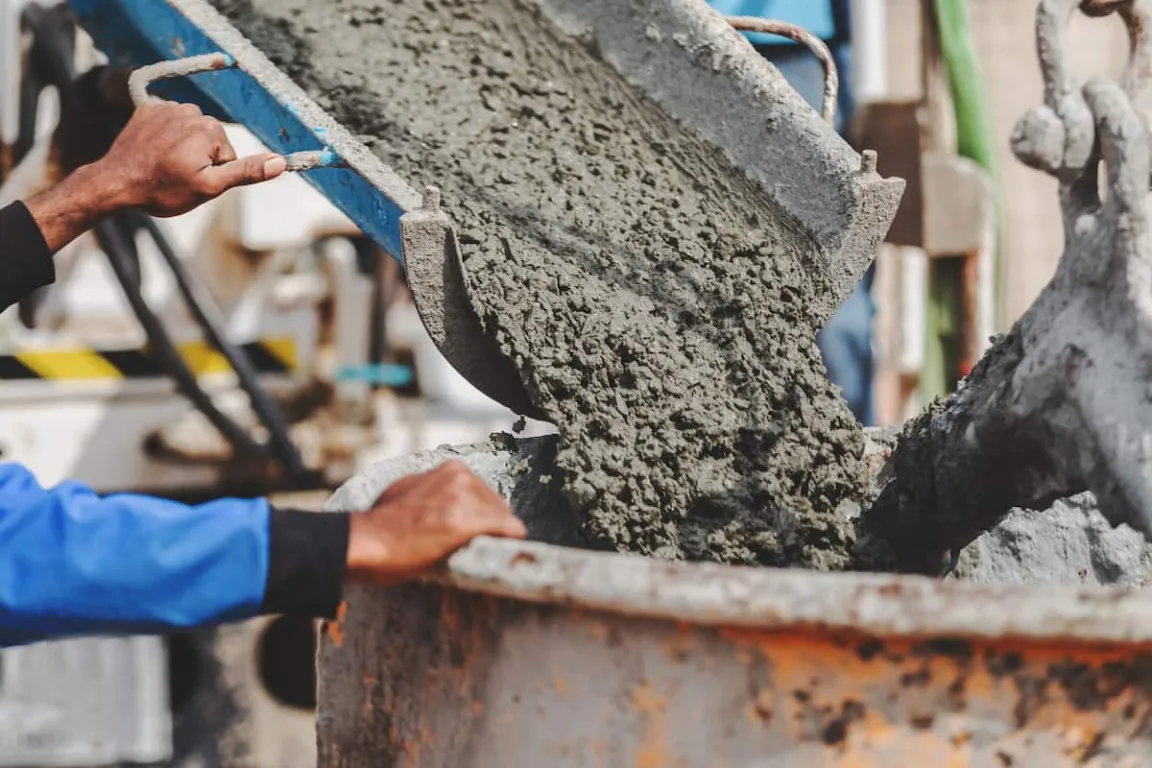
Concrete cover is a layer of concrete that covers the reinforcement bars in a reinforced concrete structure. This layer protects the bars from exposure to water and air, which can cause corrosion, while also maintaining the building's structural integrity. Adjust its thickness based on the structural element, environmental conditions, and applicable construction standards.
Determining concrete cover thickness cannot be done carelessly because each part of a building has different protection requirements. So, what is the appropriate thickness for concrete foundations, columns, beams, and slabs?
Read this article to learn about concrete cover thickness standards, the factors that influence them, and how to determine the right thickness for your construction needs.
The Importance of Creating a Concrete Cover That Meets Standards
Creating a concrete cover involves more than simply covering the reinforcing bars with a layer of concrete. Its thickness must comply with applicable standards to protect the reinforcement and maintain the building's structural quality.
So, why do we adhere to standard concrete cover thicknesses? Here is the explanation:
1. Maintaining the Strength of Reinforced Concrete Structures
Concrete has good compressive strength but is more susceptible to damage under tensile forces. Therefore, reinforcing bars are installed in the concrete to resist these tensile forces.
The combination of these two materials makes reinforced concrete structures stronger in withstanding loads. To ensure that the rebar continues to function properly, a concrete cover is needed to protect it from water, air, and other environmental factors that can cause rust. With proper protection, a building's structural strength can be maintained longer.
2. Protecting Reinforcing Bars from Corrosion
Reinforcing bars embedded in concrete can still rust if exposed to water, air, or certain chemicals. Over time, the resulting rust can cause the bars to expand and put pressure on the surrounding concrete.
As a result, the concrete surface may crack or even break. To reduce this risk, the rebar must be encased in concrete cover thickness that meets industry standards. This layer prevents rust-causing chemicals from easily reaching the rebar, thereby preserving the rebar’s condition and extending the building’s service life.
3. Protecting Reinforcement from Fire Exposure
During a fire, intense heat can affect the strength of the building’s structural materials, including concrete and reinforcing steel. Steel exposed to high temperatures for too long can lose its load-bearing capacity. To minimize this impact, the reinforcing steel must be encased in concrete of an appropriate thickness.
This layer slows heat from entering the interior of the structure, preventing the steel from being directly exposed to high temperatures. This is why you must carefully consider concrete cover thickness to maintain the building’s structural integrity during a fire.
Read also: 3 Ways to Calculate Concrete Casting Per M3, Take Note!
How to Inspect Concrete Cover Thickness on Site
Conduct concrete cover thickness inspections carefully to ensure the results accurately reflect the structure’s actual condition. The process involves not only using measuring instruments but also surface preparation, instrument setup, and data processing.
The following are the steps for inspecting concrete cover thickness, which can serve as a guide during on-site inspections:
1. Clean the Concrete Surface
Before measuring concrete cover thickness, check the surface condition. Remove dust and debris, then ensure the surface is level enough for the instrument to function properly.
If additional layers such as paint or plaster are present, remove them first if necessary, following the equipment procedure. A clean, prepared surface reduces interference when the instrument detects the rebar position.
2. Inspecting the Area to Be Measured
Before determining the measurement points, first review the working drawings and planning documents, then confirm with the site supervisor if necessary. Ensure the area to be inspected is not near other metal objects, utility pipes, or materials the device might misidentify as rebar.
These objects can interfere with detection and make the measured concrete cover thickness less accurate.
3. Determining the Measurement Range
Every measuring device has limitations in detecting concrete cover thickness. Therefore, select the measurement range based on the estimated concrete thickness to be inspected.
Use Range 1 to measure thinner concrete cover, and Range 2 for thicker concrete layers. Adjust these settings according to the instrument’s user manual to ensure proper rebar detection and more accurate measurements.
4. Setting Parameters on the Device
Before use, configure the measuring tools according to the conditions of the structure to be inspected. Input information such as the rebar diameter and concrete cover thickness based on the design drawings. Also set the spacing correction according to the detected distance between the rebar. If the distance is 40, 60, 80, or 100 mm, select the corresponding value on the device. For distances greater than 120 mm, select the “>120 mm” option to ensure more accurate results.
Read also: Concrete Construction Maintenance to Preserve Structural Quality
5. Recalibrating the Signal
Recalibration is necessary when conditions around the inspection site change or when the device’s readings differ significantly from the design values. To do this, place the tool in an open area away from metal objects, then press the OK button as indicated on the screen. Wait for the process to complete automatically. If calibration fails, repeat these steps before continuing with the measurement.
6. Detecting the Position and Measuring of Concrete Cover Thickness
To determine rebar position and concrete cover thickness, align the device parallel to the rebar, then slowly slide it across the concrete surface. As the device approaches the rebar, the indicator frame will turn green.
If the sensor is directly above the rebar, the indicator turns red, accompanied by a beep and a red laser line to mark the position. Once the measurement results appear, the data is saved automatically in automatic mode. In manual mode, press the FN button to save the results.
7. Repeating Calibration During Inspection
To keep measurement results accurate, recalibrate (Signal Reset Calibration) about every 10 minutes during the inspection. This step helps the device adjust its signal readings to maintain consistent measurement results.
8. Transferring and Processing Measurement Data
Once all points have been measured, you can transfer the inspection data to a computer or smartphone via USB cable or Bluetooth, if the device supports these features. You can then review the data, organize it into tables, and create reports to make the results easier to read and document.
What If the Concrete Cover Thickness Does Not Meet Standards?
If the concrete cover is too thin, the rebar inside will be more easily exposed to water and air, causing it to rust quickly. Over time, the rust causes the rebar to expand and push against the surrounding concrete, causing it to crack or spall.
If left unchecked, rusted rebar can lose its strength and fail to support loads properly. As a result, the building’s structural integrity may deteriorate, putting it at risk of serious damage or even structural failure. Therefore, concrete cover thickness must comply with applicable standards to keep the rebar protected and extend the building's service life.
Common Causes of Concrete Cover Thickness Deviating from Standards
Concrete cover thickness can deviate from the plan due to errors at various stages of construction. The following factors can influence this:
- Errors in forming the rebar framework: If the rebar framework dimensions do not match the working drawings, the distance between the rebar and the concrete surface may be incorrect.
- Reinforcement frame is not in the correct position: Rebar that shifts during installation or pouring can make the concrete layer too thick on one side and too thin on the other.
- Improper placement of concrete decking: Concrete decking supports the rebar and ensures it maintains sufficient clearance from the formwork. If it is positioned incorrectly or is insufficient, the rebar may shift.
- Formwork not installed to size: Formwork that is tilted, shifted, or incorrectly sized can change the distance between the rebar and the concrete surface, causing the concrete cover thickness to deviate from specifications.
Simply considering concrete cover thickness is not enough to ensure a sturdy building. You also need to choose concrete materials that meet your construction needs to ensure optimal results.
To meet these needs, Beton Merah Putih, a subsidiary of Semen Merah Putih, offers a wide range of products, from Ready Mix Concrete and Precast Concrete to aggregates. Ready Mix Concrete is available in various grades to support the construction of houses, high-rise buildings, commercial structures, industrial complexes, and infrastructure.
If you are planning a construction project, learn more about the ready-mix concrete and precast concrete options from Beton Merah Putih. To obtain product information tailored to your project’s needs, contact us to discuss your construction requirements.
Read also: 3 Ideas to Enhance the Look of Concrete Construction