
Have you ever felt your house's second floor shake when someone walks by, a large vehicle passes by, or certain activities take place around the building? This often leads homeowners to wonder what the causes are and whether it is still considered normal.
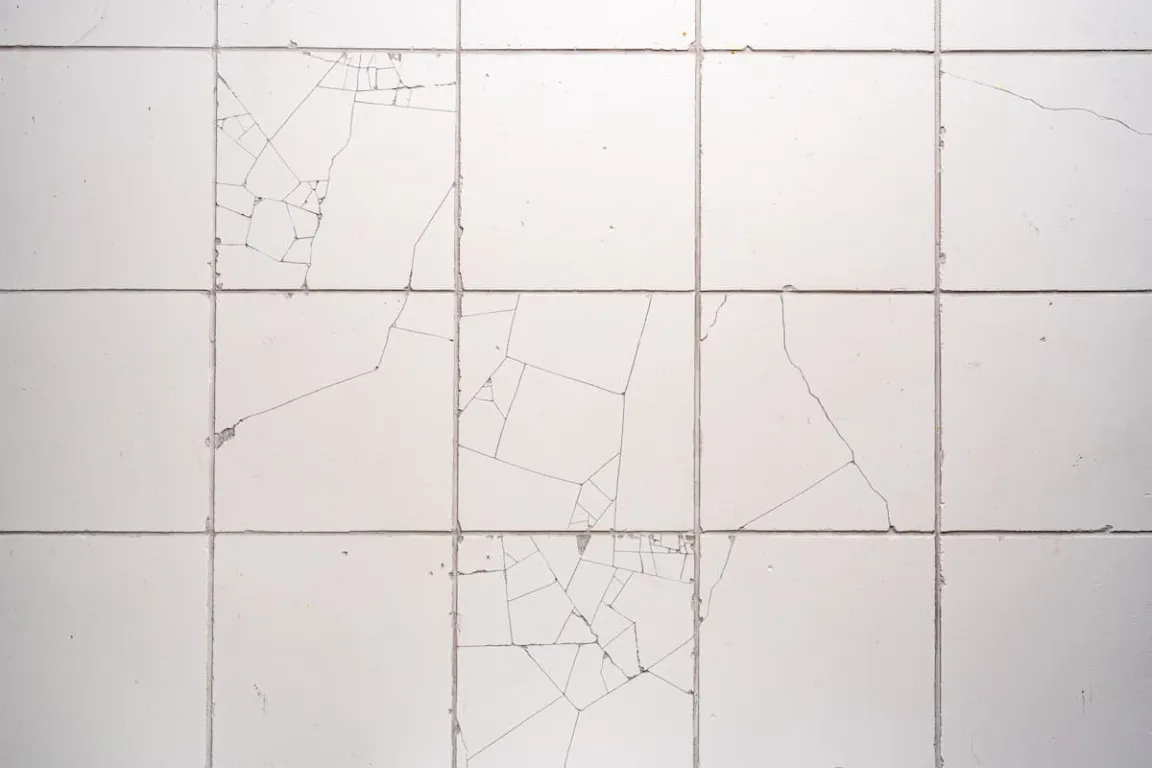
Basically, every house is designed to withstand vibrations within certain limits. However, if the vibrations feel more frequent or unusual, even to the point of causing wall cracks, the situation needs attention.
So, what factors can cause the second floor of a house to shake, and when should you be concerned? Read the full explanation below.
Causes of a Shaking Second Floor
It is normal to feel concerned when the second floor of your home shakes. While it does not always mean the building is about to collapse, this condition can indicate a problem with the construction or other factors. Here are some causes of a shaking second floor that you should be aware of:
1. Suboptimal Structure
One cause of a second-floor shake is a suboptimal building structure. This can occur if the foundation cannot properly support the load or if the structural design, such as beams and floor plate, does not fully account for dynamic loads, making the structure more prone to shaking when in use.
2. Building Materials
The use of lightweight materials, such as steel or wood frames, offers greater flexibility than concrete, which makes the building more prone to transmitting vibrations. If these material characteristics are not carefully accounted for in the structural design, vibrations can disrupt the residents’ comfort.
3. Foundation Systems and Soil Conditions
An inadequate foundation system or soft soil conditions can make it easier for vibrations to travel through the building structure. Additionally, added loads, such as extra floors, water tanks, or large pieces of furniture, can also affect the stability of the foundation.
If the house’s foundation is weak and the building’s construction does not meet requirements, this situation risks causing structural damage that leads to vibrations and could even cause the building to collapse.
Read also: Types of Deep and Shallow Foundations for Buildings
4. Human Activity
Human activity can also cause the second floor of a home to shake. The use of heavy machinery, exercise equipment, or high levels of activity inside the building can trigger vibrations that are felt all the way up to the second floor.
Additionally, houses located near railroad tracks, highways, airports, or heavily trafficked roads are more prone to vibrations due to the transmission of vibrations from surrounding transportation activities.
5. Structural Distress
Structural distress occurs when building elements are damaged or lose performance due to various factors, such as excessive loads, reinforcement corrosion, or poor-quality materials. These conditions can lead to cracks, excessive deflection, or deformation.
Unlike vibrations caused by external sources such as traffic or building occupants’ activities, vibrations resulting from structural distress do not always cause direct vibrations. However, damage that reduces the structure’s stiffness can make the floor more responsive to vibrations, making them feel stronger.
Early indicators are typically uneven floors and water pipe leaks. This deterioration occurs in three main stages:
- Stage 1: Corrosion causes the rebar volume to swell up to 2.5 times its original size, pushing against the concrete from within and triggering cracks along the rebar’s path.
- Stage 2: Cracks in the concrete allow water, oxygen, and carbon dioxide to enter the structure, accelerating rebar corrosion and carbonation.
- Stage 3: The building suffers severe damage and loses its functionality, requiring immediate repairs for safety reasons.
Are Floor Vibrations Dangerous?
Mild vibrations may merely be a nuisance, especially when they occur in facilities such as hospitals, schools, or office buildings.
However, if the vibration intensity is excessive, this could indicate damage to major structural elements, such as cracked floor slabs or structural joints that are beginning to weaken.
If left unaddressed over the long term, this condition could endanger residents' safety. Therefore, a comprehensive structural audit is essential to ensure the building’s safety.
Read also: The House Foundation Cost Estimation Details in 2026
Prevent Building Vibrations by Choosing High-Quality Materials
Vibrations in a house's floors do not always indicate serious damage. However, choosing high-quality building materials from the start remains a crucial step in helping to maintain the structure’s strength and durability over the long term.
One option you can use is Semen Merah Putih Watershield, a super-premium multipurpose cement suitable for various construction applications, ranging from foundations, concrete slabs, cast-in-place concrete, masonry, plastering, and finishing.
With its water-repellent technology, this product protects against water seepage from outside, within the building, or from the ground, helping to keep the structure strong, more durable, and low-maintenance.
Additionally, Semen Merah Putih has earned a PLATINUM rating from the Green Product Council Indonesia (GPCI), demonstrating its commitment to providing high-quality materials through more environmentally friendly production without compromising the strength and durability of the cement.
So, if you are building or renovating a house, be sure to choose high-quality materials to ensure a stronger and more durable structure.
To learn more about Semen Merah Putih Watershield or to find construction solutions tailored to your project’s needs, contact us today.
The Semen Merah Putih team is ready to help you find the best materials for reliable, high-quality construction.
Read also: Choose the Right Foundation for a Two-Story House