
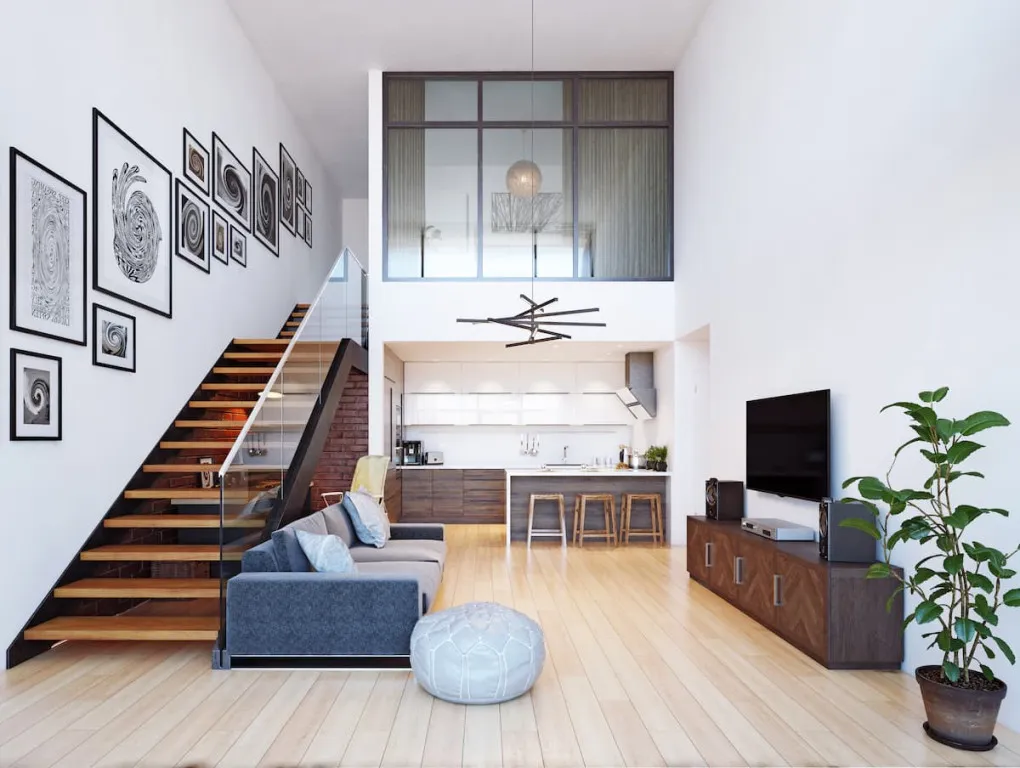
Building void refers to "empty spaces" intentionally created within a structure, especially in two-story houses. Unlike regular open spaces, voids are designed and constructed with specific considerations.
In addition to enhancing appearance, voids allow natural light to enter, improve air circulation, and make energy use more efficient.
Let's check out this article to learn about the benefits of voids and how to maximize their function in your building!
What Is a Building Void?
Simply put, a building void is an empty space extending from the lower floor to the upper floor without partitions or ceilings. The presence of a void makes the building feel taller, more spacious, and open.
Usually, a void is placed in areas such as the living room, family room, or kitchen, allowing occupants to look up or down and feel a connection between floors.
The size and shape of the void can vary depending on the building's needs and overall design.
Benefits of Building Void
Building voids are intentionally created empty spaces within a structure, offering various benefits for a home. Some of these benefits include:
1. Enhancing Interior Aesthetic Value
A void within a building can become a focal point of interior design. Adding accents such as hanging lights, decorative plants, or wooden beams makes this empty space look more attractive and lively.
With proper arrangement, a void can become a focal point that gives the overall home a modern and distinctive impression.
2. Optimal Natural Lighting
A void allows more sunlight to enter the building. This open space allows natural light to reach both floors, reducing the need for daytime lighting.
Buildings that are bright with natural light feel warmer, more comfortable, and are also better for the health of their occupants.
3. Better Air Circulation
In addition to letting light in, a building void also improves air flow. Hot air rises through the void, while cool air stays on the lower floor.
This reduces humidity and makes the room feel fresher. Especially in tropical regions, good air circulation can keep a building cooler without relying heavily on air conditioning.
4. Creating the Impression of a More Spacious and Elegant Room
A void makes an elegant house feel more spacious, even if the actual room size is limited. The presence of a void creates a luxurious and graceful impression while reducing a sense of cramped space. Additionally, a void enhances the interior and adds character to the building.
5. Efficient Interfloor Connectors
Building voids allow views between floors, for example, from the lower floor to the upper floor, making the various spaces within the building feel connected.
These empty spaces also facilitate movement or interaction between areas, and besides enhancing aesthetic value, they create a more spacious and comfortable atmosphere.
Read also: 12 Low-Wall Fence Designs for Minimalist & Modern Aesthetics
Factors to Consider When Designing a Building Void
When designing a building void, there are several important things to consider so that these empty spaces are not only aesthetically pleasing but also safe and functional.
Some important things to pay attention to when designing a building void are:
- Building structure: Voids can affect the overall strength of the building. The design should include additional bracing, column reinforcement, and beams to support the loads in the empty area. Detailed calculations by an experienced structural engineer are highly recommended.
- Materials used: The selected materials must be able to withstand the load around the void. Using strong, durable materials, such as high-quality reinforced concrete, will help ensure the building's safety and longevity.
- Safety: Safety is the top priority. The void must be designed with consideration for access routes, evacuation, and protection from accident risks. Installing secure fences or barriers around the void is essential to prevent hazards.
Example of Building Void
With proper placement and shape, a void not only enhances aesthetics but also improves light and air flow. Here are some examples:
1. Design of a Spacious Central Void House
One example of a void in a building is a two-story house with a fairly spacious area. This vertical empty space helps sunlight enter the interior of the building and spread down to the lower floor.
2. Elongated Void Model
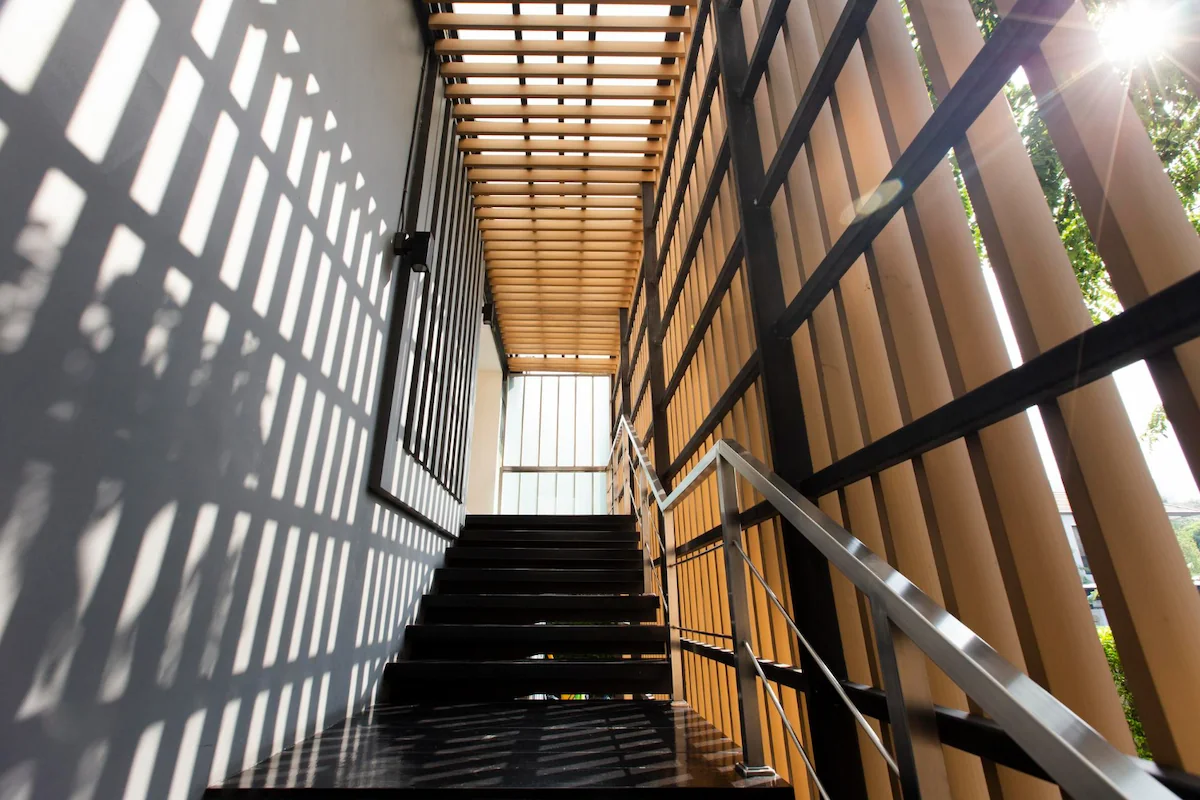
A building void does not have to be square, it can also be designed to be elongated to match the building’s layout. For example, a void can follow the staircase line so that each floor remains well-lit and the air circulation is smooth.
3. Classic Staircase Void
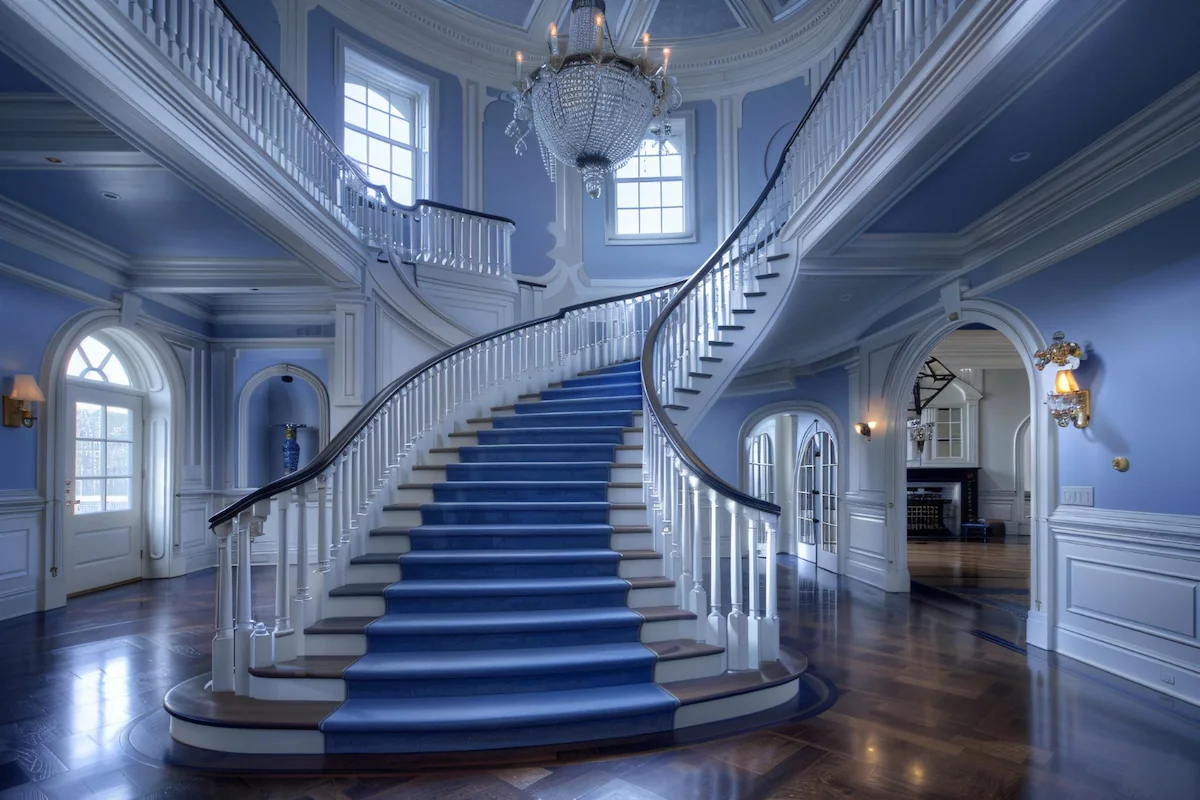
Classical-style buildings often feature a grand and eye-catching main staircase. Stairs with beautiful shapes and unique railings can become the focal point of a room. When combined with a void, the house exudes a more elegant and classy impression, almost like a noble residence.
4. Void Design with Hanging Lights
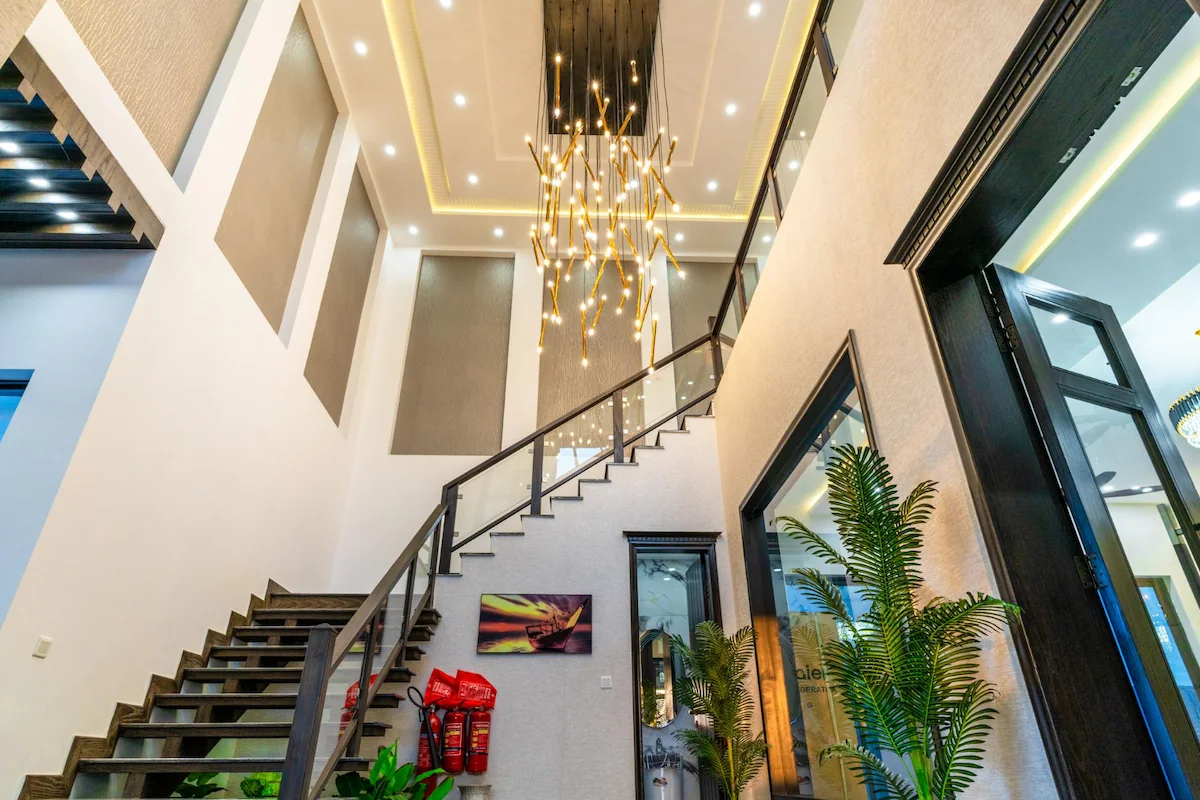
To enhance the void, adding a chandelier with a unique design can be an effective solution. This lamp not only provides additional lighting but also serves as an eye-catching decorative element.
Choose a design that matches the room's interior style to make the void stand out more and add a touch of elegance to the building.
That is the explanation about building void, from the definition to the examples. By understanding their function and benefits, you can use voids to maximize lighting, air circulation, and building aesthetics.
In addition to enhancing appearance and improving lighting, voids must be supported by strong, durable structures. For that reason, using high-quality building materials is essential.
For this matter, Semen Merah Putih Watershield, a super-premium multipurpose cement, is suitable for use in various parts of a building, including foundations, concrete slabs, castings, brick laying, plastering, and skim coating.
The water-repellent technology in this cement prevents water seepage from all directions, making structures more durable than conventional cement.
With Semen Merah Putih Watershield, areas around voids are not only strong and long-lasting, but also remain neat and well-maintained.
Contact us now for more information and consult your construction needs!
Read also: 5 Types of Ceilings You Should Know + Pros and Cons