
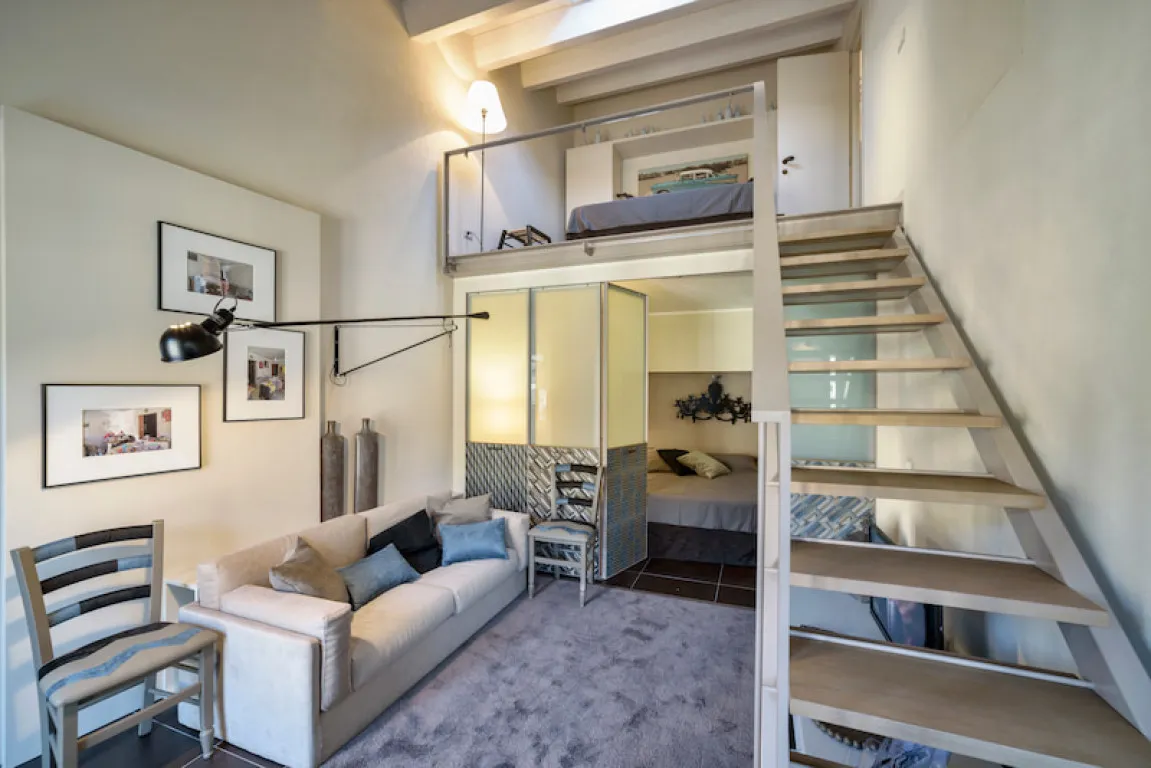
A mezzanine house is a design that adds an extra floor that does not cover the entire floor area. The additional floor is mostly installed between a building's ceiling and ground level which can be used for various functions such as an office, bedroom or leisure space.
A mezzanine house is an ideal solution if you have limited space but want to maximize its functionality. By adding a mezzanine floor, you can create extra space without the need to enlarge the house or build an extension outside.
In this article, you will discover various design inspirations and tips for building a practical and flexible mezzanine home to optimize your space, whether for new construction or renovation of an existing home.
Mezzanine House Design Inspirations
Here are some mezzanine house design inspirations that you can consider for a more practical and stylish living space:
1. Mezzanine Wardrobe Area
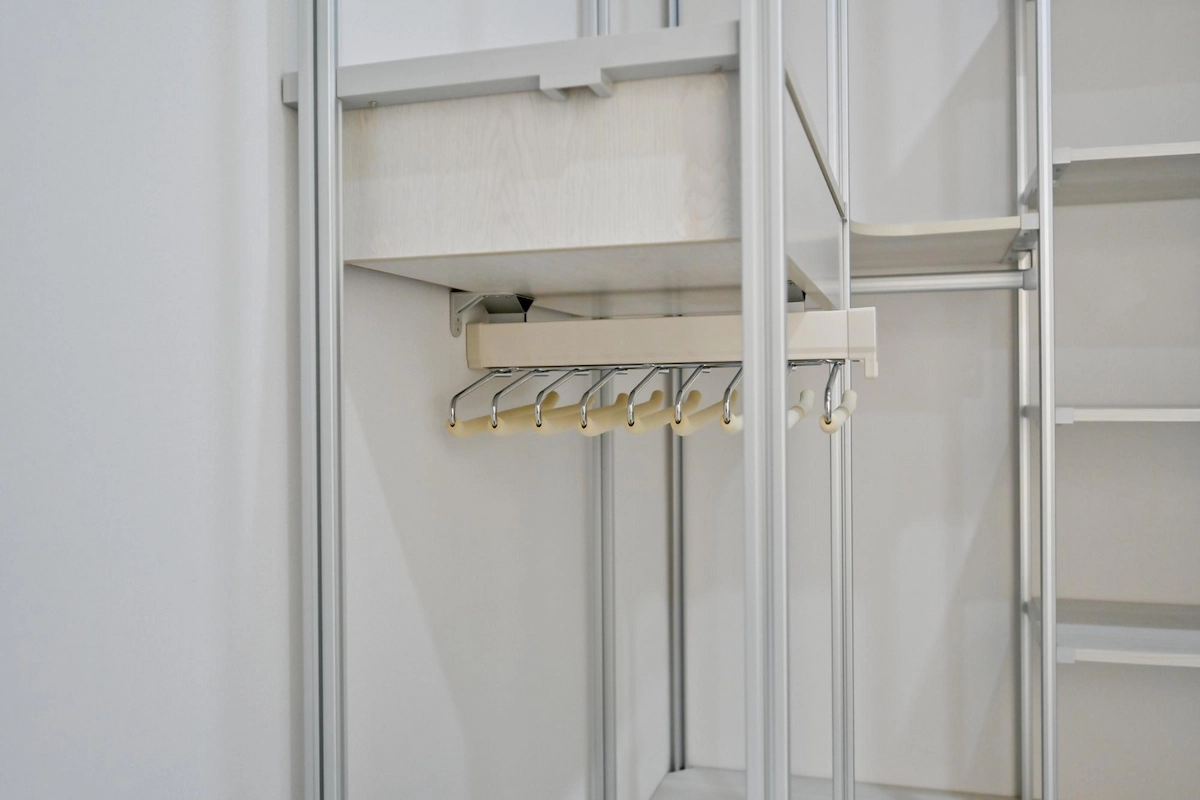
If you need more storage space without reducing the main room, the mezzanine can be utilized as a wardrobe area. By adding an extra floor in the bedroom or dressing room, you can store clothes, shoes, or other items in an organized way.
Read Also : 8 Two-Story House Void Designs, Aesthetic and Functional
2. Mezzanine Above the Kitchen
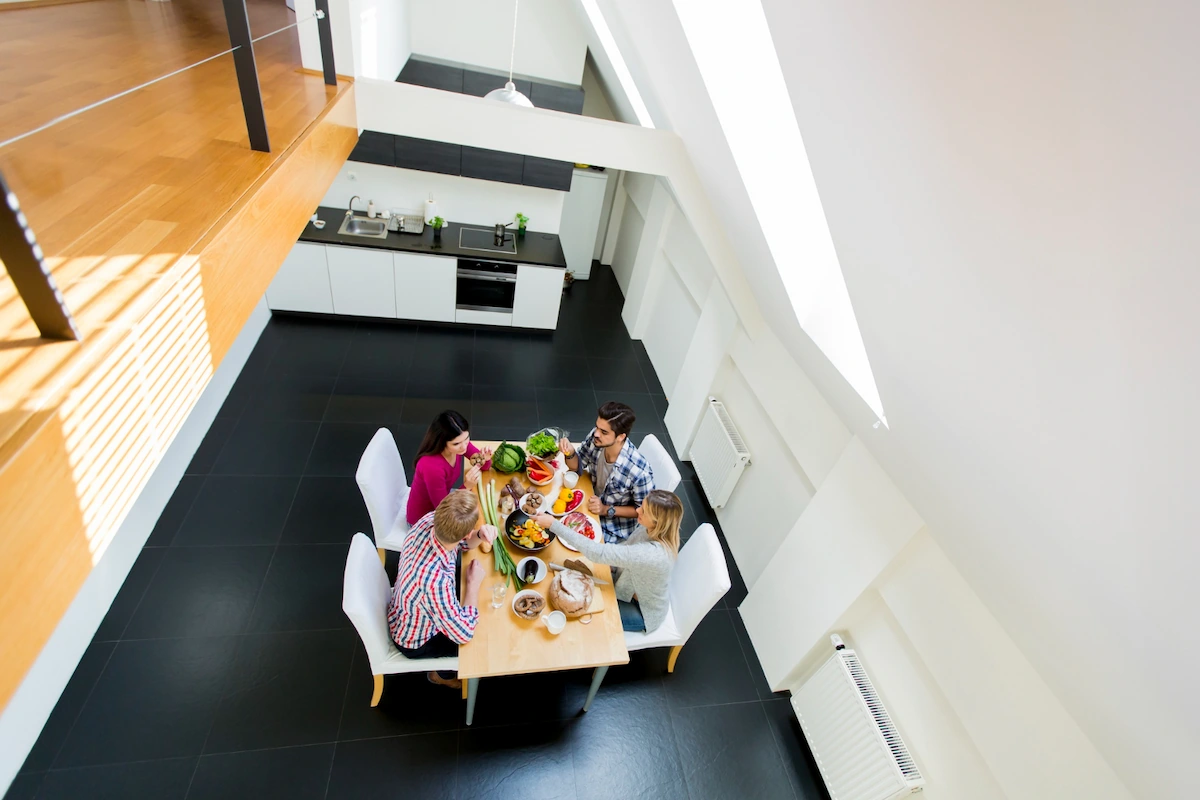
This mezzanine can function as an additional dining area or even as a leisure space that is separate from the main kitchen area. With an open concept, the high ceiling of the mezzanine can maximize natural lighting, giving the impression of a larger and brighter space.
3. Mezzanine Bedroom
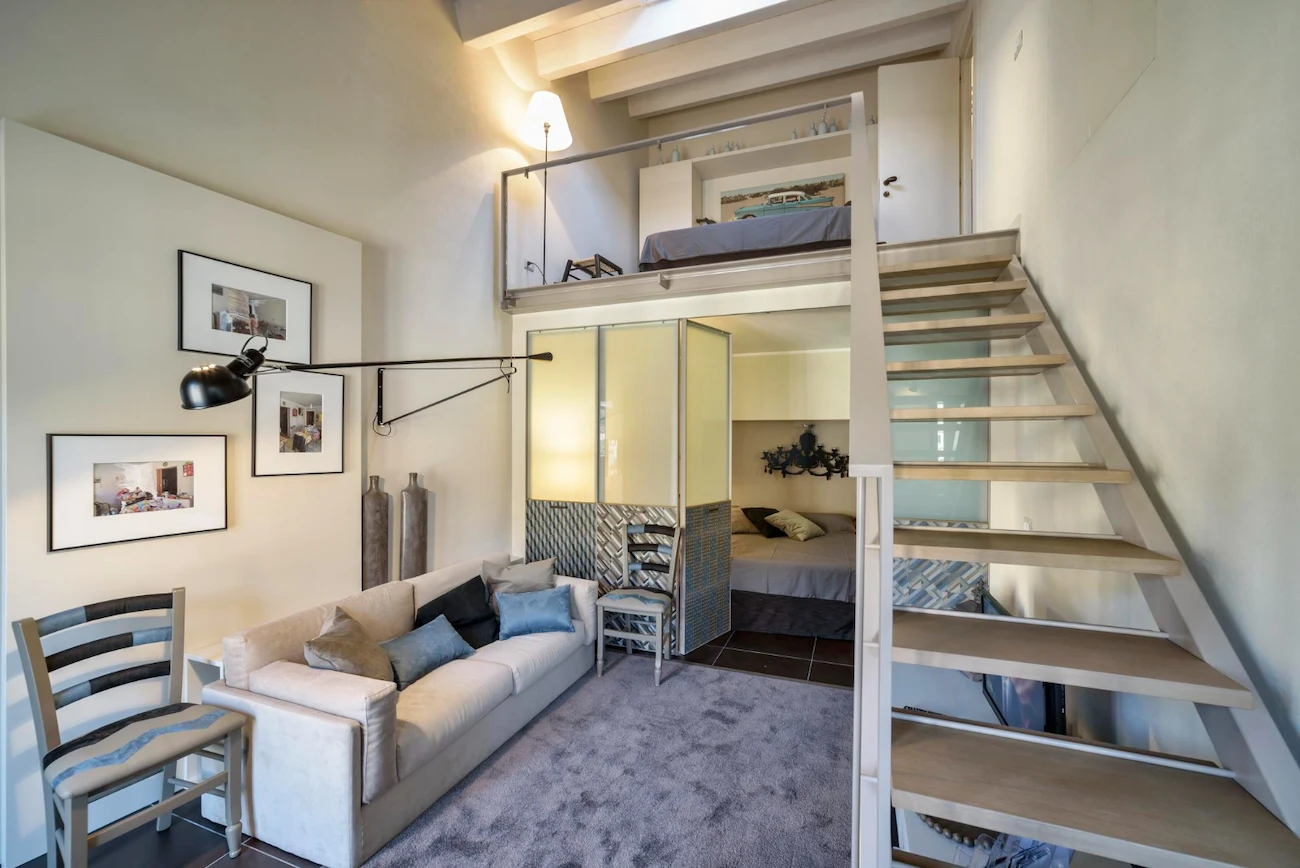
A mezzanine in the bedroom is a practical solution if you want to add an extra sleeping space without taking up much room. You can build a higher mezzanine to place the bed, while the space below it can be used for a lounge area or workspace.
Read Also : 10 Aesthetic and Practical Backyard Terrace Designs
4. Mezzanine Workspace
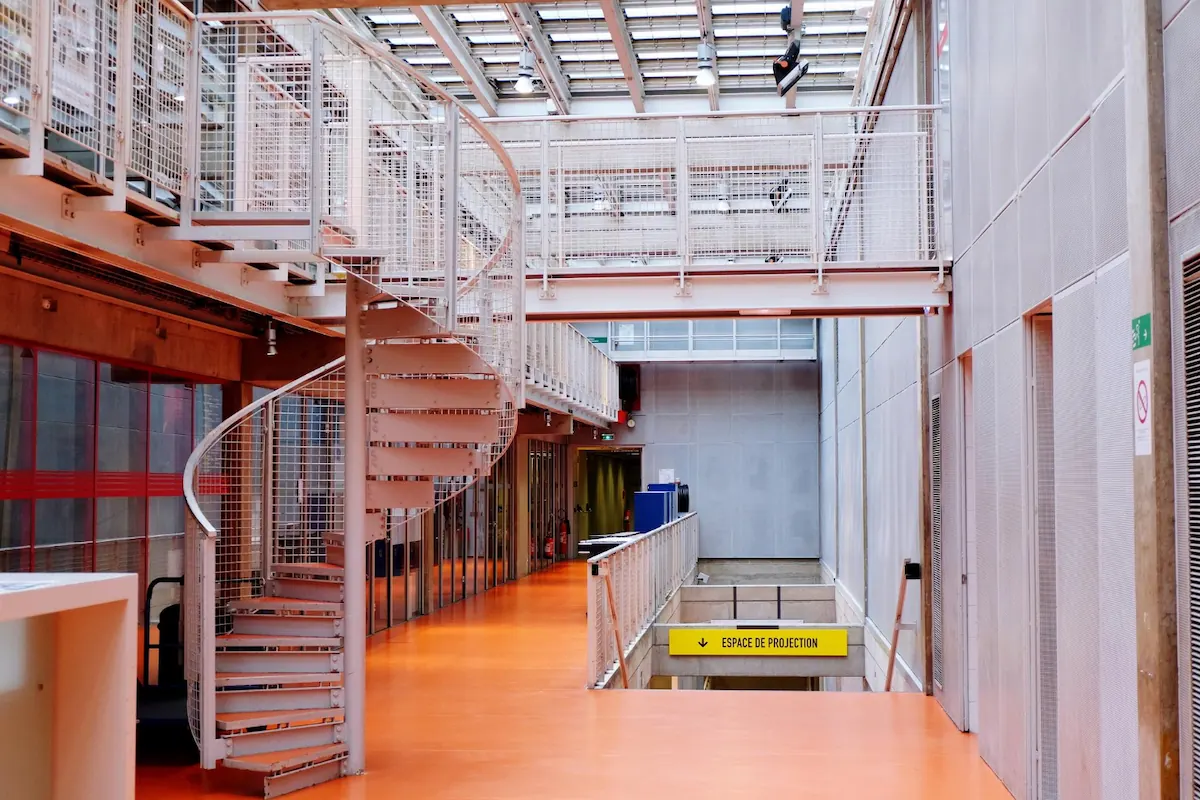
By utilizing the extra floor in the living or family room, you can create a comfortable, quiet, and more organized workspace. Moreover, this mezzanine design also allows you to interact with family members in the main room while maintaining privacy.
Read also: 10 Latest and Trendy Minimalist Balcony Fence Ideas
5. Mezzanine Open Space
This design allows you to have a mini garden or indoor green space in your home. By adding ornamental plants, outdoor furniture, and comfortable seating on the mezzanine, you can create a refreshing corner of your house.
Tips for Building a Mezzanine House
Building a mezzanine house requires special attention to ensure optimal results that meet your needs. Here are some important tips you need to consider:
1. Consider the Room Size
The first thing to consider when building a mezzanine house is to consider your space. With that being said, you need to ensure that the room you want to add a mezzanine to is tall enough so that it doesn't make the house feel cramped. Mezzanine floors require adequate vertical space, especially if you plan to add more room above.
2. Define the Function of the Mezzanine
Before starting the construction process, you need to define your main goal. Do you want to turn it into a bedroom, office, or perhaps a leisure space? Determining the purpose of the mezzanine room will greatly assist in planning the design and layout in the future.
3. Consider the Room Height
The minimum distance between the floor and ceiling for a mezzanine is around 440 cm to ensure the space below remains comfortable. If your home has a low ceiling, adding a mezzanine could make the room feel even more cramped and uncomfortable.
Read Also : 9 Unique Floor Ideas Without Tiles: Elegant & Aesthetic!
4. Lighting
Since the mezzanine is usually located above the main space, then you need to pay attention to the lighting that enters the room. If the mezzanine is in an area that doesn’t receive much natural light, consider adding artificial lighting, such as LED lights or pendant lamps, to keep the space bright and comfortable.
5. Space Below the Mezzanine
While the mezzanine creates additional space above, the area below it should also be considered. You can design this space to remain comfortable by using appropriate furniture or making it a multifunctional area.
6. Materials
Common materials used for mezzanines are wood, steel, or concrete, depending on your design and budget. However, it's important to note that the cost of building a mezzanine can vary depending on the materials used, with wood being more affordable and steel requiring a larger budget.
7. Furniture Layout
When designing the mezzanine space, you need to make sure the furniture doesn’t obstruct activities or circulation within the room. So, you have to choose proportional furniture that suits the size of the space.
8. Mezzanine Access
Mezzanines are typically accessed via stairs. However, you can still consider alternative options, such as minimalist stairs, spiral stairs, or foldable stairs to save more space. Also, be sure the chosen stairs are safe and easily accessible for every family member at home.
Read also: 9 Ideas for Two-Story House Designs with Front Stairs
Minimum Ceiling Height Requirements for a Mezzanine Floor
Adding a mezzanine floor requires adequate vertical volume. If the ceiling is too low, the mezzanine will trap heat, feel claustrophobic, and pose a head clearance hazard. Apply these site construction standards:
1. Minimum Overall Ceiling Height of 4.2 to 4.5 Meters
The primary rule for building a functional mezzanine is a total floor-to-ceiling clearance of at least 4.2 meters. This total height allows for a minimum 2.1-meter clearance under the mezzanine, 1.8 to 2 meters of usable height on the mezzanine level, and 10 to 15 cm for the structural floor depth.
2. Maintain Adequate Headroom Space
If the mezzanine is designed for standing activities (such as a home office or walk-in wardrobe), maintain a minimum upper headroom of 2 meters. For sleeping-only mezzanines (floor mattress layout), an upper clearance of at least 1.5 meters is sufficient to prevent bumping your head when sitting up.
3. Install Dedicated High-Level Ventilation
Heat naturally rises toward the ceiling (stack effect). Because mezzanine floors sit closer to the roof, integrate upper wall windows, a dedicated split air conditioner, or an exhaust fan to pull out trapped warm air and maintain continuous comfort.
Read Also : 13 Comfortable and Aesthetic Space Planning Ideas
Comparing Mezzanine Structural Framing
The stability and vibration resistance of a mezzanine floor depend on the framing materials selected. Contractors typically work with three primary framing choices:
1. Hollow Structural Steel
-
Pros: Cost-effective, lightweight, and easy to fabricate for small-to-medium interior spaces.
-
Cons: Spans exceeding 3 meters without center support columns may experience minor floor deflection or springiness underfoot.
-
Best For: Small bedroom mezzanines, private study nooks, or wardrobe spaces.
2. WF (Wide Flange) Structural Steel
-
Pros: Exceptionally strong, supports heavy live loads, and spans wide distances without requiring intermediate columns underneath. Delivers a striking industrial aesthetic when left exposed.
-
Cons: Higher material and specialized welding labor costs, requiring secure structural anchoring into existing wall beams.
-
Best For: Living room mezzanines, spacious open-plan layouts, or commercial/cafe spaces.
3. Solid Timber Framing
-
Pros: Adds natural warmth and cozy visual texture, perfectly suited for Japandi or Scandinavian interior styles.
-
Cons: Susceptible to termite infestation if untreated and may creak or warp over time if the timber is not properly kiln-dried.
-
Best For: Lightweight residential mezzanines with warm interior aesthetics.
With a mezzanine house concept, you can create a more efficient space without sacrificing comfort and aesthetics. So, don’t hesitate to experiment with practical and flexible designs to make your home more comfortable.
When you are in the process of building a mezzanine house, choosing the right materials is crucial. Semen Merah Putih Watershield is the ideal choice for bricklaying, plastering, and finishing that is resistant to water absorption and seepage.
With its wider coverage, this cement offers added value while ensuring the strength and durability of your building. Contact us now to get more information about Semen Merah Putih products and discover the best solutions for your construction project!
Read also: 10 Ideas for Aesthetic Minimalist Front Yard Garden