
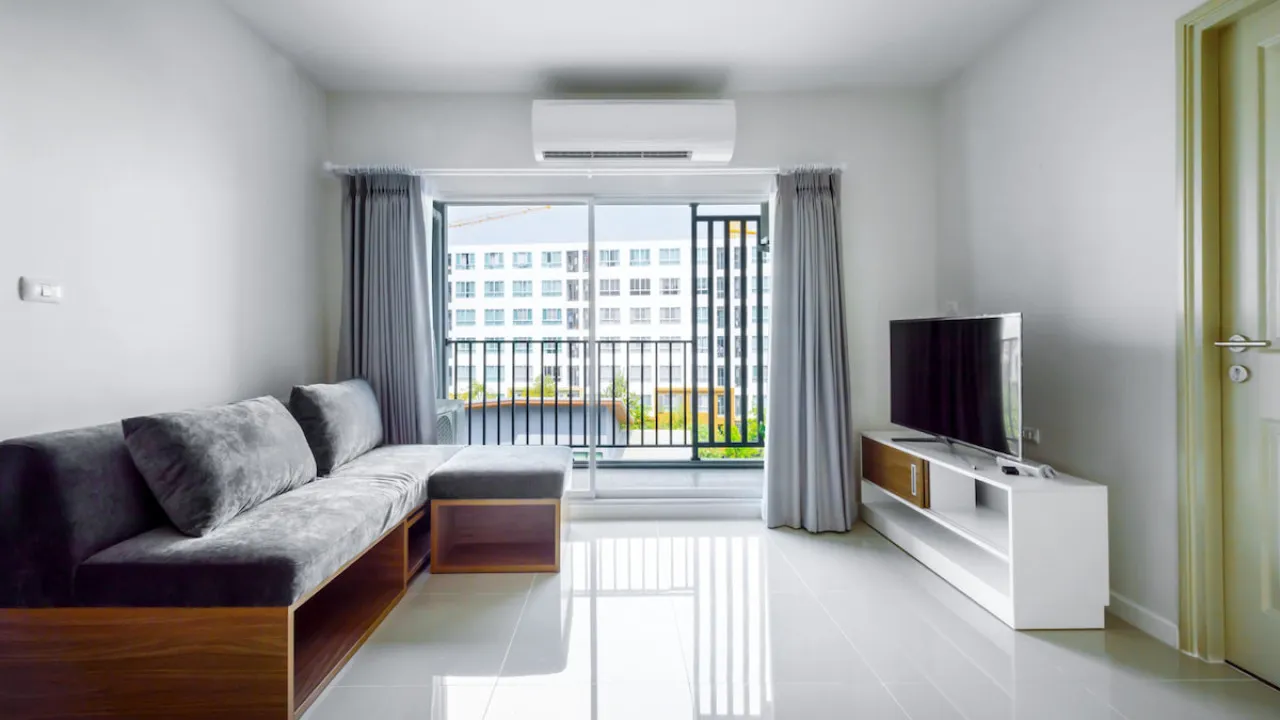
Cross ventilation is one of the natural ventilation methods that uses pressure differences to facilitate air circulation within a house. Fresh air enters from one side of the building and pushes hot and humid air out from the other side.
This method effectively makes a room feel cooler without relying entirely on air conditioning or fans, making it more energy-efficient and environmentally friendly. In tropical climates like Indonesia, cross ventilation also helps maintain fresh and comfortable air quality for the occupants.
In addition to reducing electricity usage, this system can help prevent stuffiness, control excessive humidity, and have a positive impact on family health.
So, what exactly is cross ventilation, and what benefits can you expect from implementing it? Read the full explanation in this article!
What Is Cross Ventilation?
Cross ventilation is a way of regulating airflow in a room by utilizing two openings that face each other or are diagonal, such as windows, doors, or vents in the walls or roof. The principle is that fresh air enters from one side of the house and displaces stale air from the other.
With the right design, this system can provide optimal air circulation without the aid of fans or air conditioning. This method is also very suitable for tropical countries, like Indonesia, where temperatures tend to be hot and good airflow is highly needed.
Benefits of Cross Ventilation for Residences
Cross ventilation can help improve air circulation in houses or residential buildings. In addition to enhancing comfort, this system also benefits health and helps save energy. Here is a complete explanation of its benefits:
1. Improving Indoor Air Quality
Ventilation functions to regulate air circulation within a house. However, with a cross ventilation design, air quality can be optimized. Smooth air circulation makes the room feel cleaner, fresher, and not stuffy.
Additionally, cross ventilation helps maintain a stable room temperature. The incoming air does not remain trapped for long, but is immediately vented, preventing the room from overheating or causing discomfort.
Read also: Bathroom Ventilation Design Ideas for Better Airflow
2. More Electricity Savings
Using an air conditioner or a fan can increase your monthly electricity bill, and it will be even higher if the house is large. In addition, prolonged exposure to air conditioning, especially from low-quality units, can cause skin dryness.
By properly utilizing cross ventilation, you can reduce electricity costs while also maintaining your family's health.
3. Creating Natural Thermal Comfort
Installing cross ventilation can help maintain a comfortable indoor temperature naturally. Cross ventilation allows fresh air to enter easily while hot air exits. This can make the indoor temperature cooler and more stable.
This system enables continuous air exchange without mechanical equipment, keeping occupants comfortable even when outdoor temperatures are high.
4. Reducing Moisture Levels and Unpleasant Odors
As with temperature, air that remains trapped in a room for a long time increases humidity and causes musty odors that are unpleasant for occupants.
Cross ventilation can help address this problem by preventing excessive humidity and keeping the indoor air fresh.
Principle of the Cross Ventilation System
The principle of cross ventilation relies on the arrangement of openings and wind direction. Outdoor air at higher pressure enters through one opening and exits through an opening on the opposite side, then forms a cross flow horizontally or diagonally, depending on the position and height of the openings.
If the building design aligns with the dominant wind direction, indoor air can circulate efficiently.
This system is commonly applied in tropical and sustainable architecture, especially when windows, louvered vents, or doors face each other to create an optimal pressure difference.
Read also: 7 Inspiring House Designs with Good Air Circulation
Houses Suitable for Cross Ventilation Systems
Not all houses are suitable for using a cross ventilation system. For this method to work optimally, the house should have several of the following characteristics:
- Small or medium-sized homes: More compact rooms make it easier for air to move evenly, making circulation more efficient.
- Open house position: Houses that are not blocked by other buildings have better access to natural ventilation.
- Low-pollution environment: Fresh air entering the house is a key factor for the success of cross ventilation, making an environment with minimal air and noise pollution more ideal.
- House orientation following the wind direction: Placing the house in line with the local wind direction can improve airflow efficiency.
When implementing cross ventilation, you must pay attention to its usage standards. According to the Indonesian National Standard (SNI), the opening area should be about 20% of the room's floor area.
For residential houses, the minimum window or ventilation area should be 5% of the building area. Meanwhile, for offices, factories, or public buildings, the minimum ventilation should be 10% of the room area.
Tips to Maximize Cross Ventilation in Your Home
If you plan to implement cross ventilation in your home, there are several steps you can take to achieve maximum results. Here are some tips you can apply:
1. Avoid Using Large Obstacles
Large obstacles, such as partition walls or overly tall furniture, can obstruct airflow. Ensure that the cross ventilation path remains open so that air circulation runs smoothly.
2. Add Wall Fans
To improve the efficiency of cross ventilation, you can install wall fans. These fans help accelerate airflow, especially when natural wind is weak. This can be an energy-saving alternative compared to using air conditioning.
3. Position the Openings Optimally
Ensure that openings are placed on the sides of the house that allow air to flow in and out smoothly. Avoid obstacles such as walls, high fences, or large trees, and adjust the position of the openings according to the direction of local winds for optimal results.
That concludes the discussion on cross ventilation, from its definition to its benefits in maintaining healthy and comfortable air circulation in the house.
When planning house designs with cross ventilation, the choice of building materials is equally important for maintaining air quality and prevent excessive moisture.
To reduce the risk of damp walls caused by water seepage, you can use Semen Merah Putih Watershield, which features water-repellent technology.
This innovation can protect against 3 sources of leakage (internal, external, and from the ground), making the house more durable, healthier, and free of mold and bacterial growth.
This premium multipurpose cement is also suitable for various construction needs, including foundations, concrete slabs, casting, brickwork, plastering, and finishing.
With the right house design and support from quality materials, such as Semen Merah Putih, you can create a cool, sturdy, and comfortable home for your family.
Interested in knowing more about Semen Merah Putih products? Do not hesitate to contact us to consult about your construction project needs!
Read also: 5 Causes and Ways to Overcome Damp Walls, Worth a Try!