
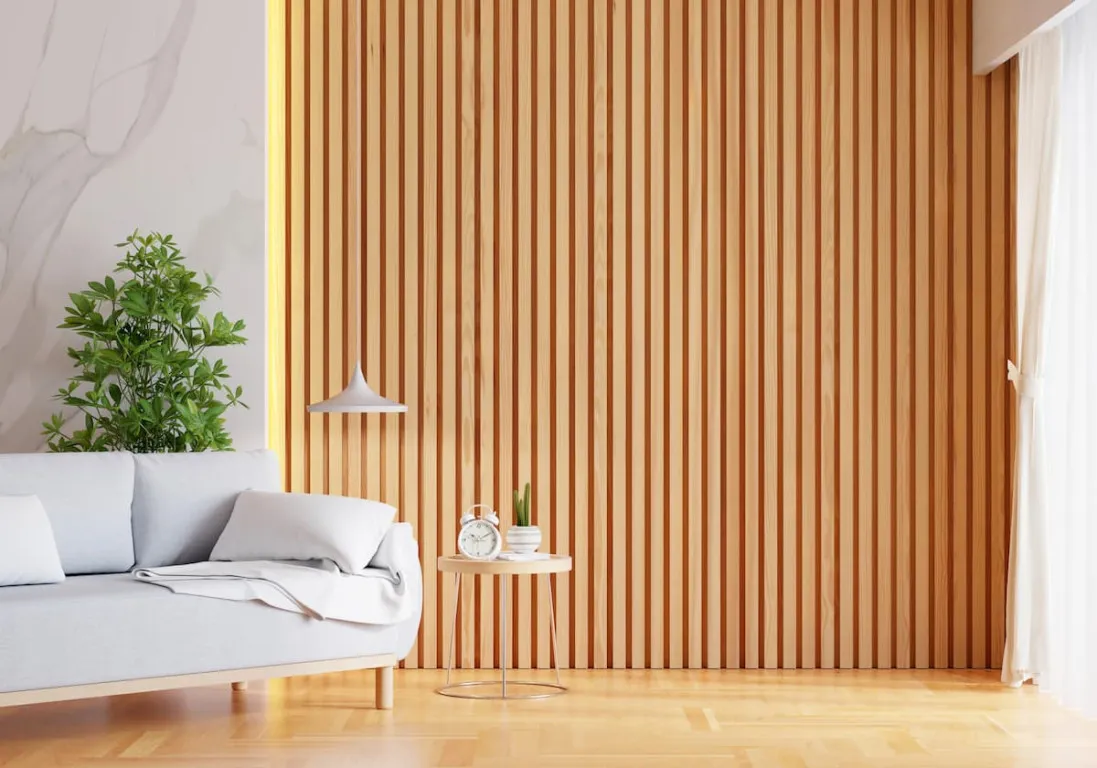
Wall cladding is an additional layer attached to walls to enhance their appearance, strength, and resistance to environmental conditions. Wall cladding is commonly used for both exterior and interior walls.
On exterior walls, cladding helps protect buildings from the sun’s heat, rain, and extreme weather changes. Meanwhile, on interior walls, cladding is more often chosen to enhance the room's aesthetics, making it look elegant and less monotonous.
To understand wall cladding further, read the full explanation in this article. Let's take a look!
Functions of Wall Cladding
In addition to adding aesthetics to the design of a building or architecture, here are some of the main functions of wall cladding that you need to know:
1. Enhances the Appearance of Walls
Wall cladding can transform plain walls into more textured, modern, and visually appealing ones. This makes the room feel more lively and less monotonous. Additionally, the wall's appearance can look neater immediately without major renovations.
2. Provides Additional Protection
Cladding helps reduce the risk of wall damage from weather, moisture, or impacts. This layer acts as an outer protector, preventing the wall surface from being easily exposed. With additional protection, the main walls become more durable and require minimal repairs.
3. Increases Building Value
Houses or buildings with wall cladding finishes look more premium and professional. The neat, modern impression of cladding can enhance a building's appeal. This can also be an added value if you plan to sell or rent out the building.
4. Helps with Heat and Sound Insulation
In certain materials, cladding can provide an additional layer of insulation, making rooms more comfortable. Rooms can feel cooler because the heat from outside does not directly enter the house. Additionally, wall cladding can also help reduce noise, making rooms feel quieter.
5. Extends the Longevity of Walls
Since walls are protected from external exposure, damage such as peeling paint, fine cracks, and dull surfaces can be reduced. Thus, you can save on long-term maintenance costs.
Read also: How to Create an Aesthetic Industrial Wall & Design Ideas
Types of Wall Cladding
Wall cladding is available in a variety of materials. Each type has a different appearance, character, and level of durability. Before choosing, you need to adjust it to the building’s needs, the installation location, and the desired appearance. Here are some of the most commonly used types of wall cladding:
1. Natural Stone Wall Cladding
Natural stone wall cladding uses materials such as andesite, palimanan, sandstone, or limestone, and flagstone. This type is often used on exterior walls to give a natural, sturdy, and luxurious impression.
2. Wood Wall Cladding
Wood cladding gives a warm, elegant, and modern classic impression. It is typically used in interiors, facades, or terraces to create a natural, comfortable look. However, wood cladding requires regular maintenance because it is susceptible to termites and moisture if it is not properly protected.
3. WPC Wall Cladding
Wood Plastic Composite (WPC) is a combination of wood fiber and plastic designed to be more weather-resistant than real wood. Its main advantage is that it looks like wood, but is more water-resistant and requires less maintenance.
4. PVC Wall Cladding
PVC wall cladding is lightweight, water-resistant, and easy to install. This material is widely used for interior spaces, such as living rooms, bedrooms, and office areas. The advantage of PVC is that it comes in a wide variety of patterns, ranging from wood and marble to modern minimalist designs.
5. ACP Wall Cladding
Aluminum Composite Panel (ACP) is an aluminum-based panel material commonly used for building facades, shops, commercial buildings, and modern minimalist houses. This material is known for its strength, neat appearance, and modern, futuristic look.
6. Fiber Cement Wall Cladding
This type of wall cladding is made from a mixture of cement, silica sand, and certain fibers that make the panels stronger and more flexible for design. Fiber-cement cladding is suitable for exterior applications because it is weather- and fire-resistant.
Advantages of Wall Cladding
This material offers several advantages that support aesthetic needs and wall protection. Here are some of the advantages of wall cladding that make it highly sought after:
1. Makes Walls More Aesthetic and Modern
The first and most noticeable advantage is the visual change. Walls that were originally flat and plain can look more lively due to the texture and pattern of the cladding. You can also adjust the appearance to suit your house's style, from minimalist to industrial.
2. Adds Protection from the Weather
For exteriors, cladding acts as a protective layer that minimizes the impact of rain, heat, and rapid temperature changes. With this protection, the main wall surface does not fade or deteriorate quickly.
3. Reduces the Risk of Dampness and Mold
When installed properly, wall cladding can help protect the main walls from becoming damp. Some materials even have fairly good water-resistant properties. This makes the walls safer, especially in areas that are often exposed to rain or have poor air circulation.
4. Longer Durability
Compared to paint, which needs to be renewed periodically, cladding usually has a longer service life, especially materials such as ACP, fiber cement, or WPC. This means you do not need to repair or replace the wall finish too often.
5. Give a Luxury Look Without Major Renovations
If you want your house to look more luxurious and tidy, wall cladding is an effective solution. You do not need to tear down walls, but simply add a finishing touch to the exterior surface. This process is generally faster than a total wall renovation.
6. Wide Variety of Materials and Designs
From stone, wood, marble patterns, to industrial concrete looks, wall cladding is very flexible for various design concepts. You can select materials according to your space requirements, desired maintenance level, and available budget.
How to Install Wall Cladding
Installing wall cladding cannot be done carelessly. A neat result depends not only on the material chosen, but also on the accuracy of the installation technique. Here are the steps for installing wall cladding that you can apply:
1. Measure the Wall Area in Detail
The first step is to measure the length, width, and total area of the wall to be installed. Accurate measurements can help you calculate the material requirements to avoid shortages or excesses.
2. Prepare the Wall Surface
The wall must be fairly flat, clean, and dry. If there are cracks, holes, or fragile parts, they should be repaired before installation. This step is crucial to ensure that the cladding adheres perfectly and does not come off easily.
3. Choosing the Installation Method
Wall cladding installation methods are typically divided into two types: adhesive, often used for PVC panels, lightweight decorative panels, or certain types of natural stone; and framing. The second method is usually used for WPC, wood, fiber cement, or materials that require a supporting structure.
4. Installing Frames or Panel Locks
If using a frame, you need to install hollow iron or wooden frames at specific intervals. The frame must be strong and precise to prevent the panels from warping. If using a locking system, you also need to install rails or panel locking brackets in accordance with the product standards.
5. Installing Cladding Panels Gradually
Installation should be done from bottom to top or from one side to the other for a neat arrangement. Ensure there is sufficient joint spacing in case the material expands due to temperature (especially for WPC and PVC).
6. Finishing and Final Inspection
After the panels are installed, perform finishing, such as sealing joints with sealant, tidying the cladding's corners and edges, and ensuring no panels are loose. This final stage is essential to ensure that the cladding looks precise and durable.
Wall Cladding Maintenance Tips
To keep your wall cladding aesthetic and prevent it from deteriorating quickly, you need to perform regular maintenance. Although some materials claim to require minimal maintenance, dust, moisture, and weather changes can still affect the appearance of your walls. Here are some wall cladding maintenance tips you can apply:
1. Clean Regularly
Clean the cladding surface at least once, preferably twice, a month, especially in exterior areas. Accumulated dust can make the color look dull. Use a soft cloth or sponge with mild soap. Avoid abrasive materials that can scratch the surface.
2. Avoid High-Pressure Water Sprays
For certain materials, such as PVC or wood joints, high-pressure water sprays can damage the joints and allow water to enter the back of the panel. If necessary, use a regular water flow and focus on cleaning stains.
3. Check Joints and Sealants
Cladding joints must always be tight. If the sealant starts to crack, peel, or open, repair it immediately to prevent water from seeping into the wall structure. This is especially important for exterior walls.
4. Use a Protective Coating for Wood
If you are using wood cladding, apply a protective finish, such as UV and water-resistant coating. Without protection, the wood will fade, rot, or become moldy more quickly. Wood maintenance should be conducted regularly, depending on weather conditions.
5. Prevent Mold and Moss Growth
In damp areas or areas with little sunlight, moss and mold can easily appear. Clean with a suitable cleaning solution for your cladding material. Also, ensure good air circulation to prevent moisture from becoming trapped.
6. Immediately Repair Damaged Panels
If any panels are cracked, warped, or loose, repair them immediately. Small damages, if left unattended, can spread and cause further damage to other areas. With quick and proper repairs, you can minimize repair costs.
Wall cladding can certainly make a house look more modern, neat, and distinctive. However, the final, strong, durable result is not solely influenced by the type of cladding. The quality of building materials also needs to be considered. One important material to use and ensure its quality is cement.
For buildings in Indonesia, which often face humid, rainy conditions, you need materials that provide extra protection. Therefore, you can use Semen Merah Putih Watershield as the right construction support material.
Semen Merah Putih Watershield features water-repellent technology that provides dual protection against water seepage from the outside, the inside, and the ground (capillary water), while also helping protect buildings from moisture. This material is suitable for supporting wall cladding installation results, keeping walls sturdy, less prone to moisture, and more durable.
If you would like more detailed information or consultation on selecting the right building materials, contact us now for the best explanations and recommendations tailored to your needs!
Read also: How to Fix Hairline Wall Cracks Using Cement Mixture