
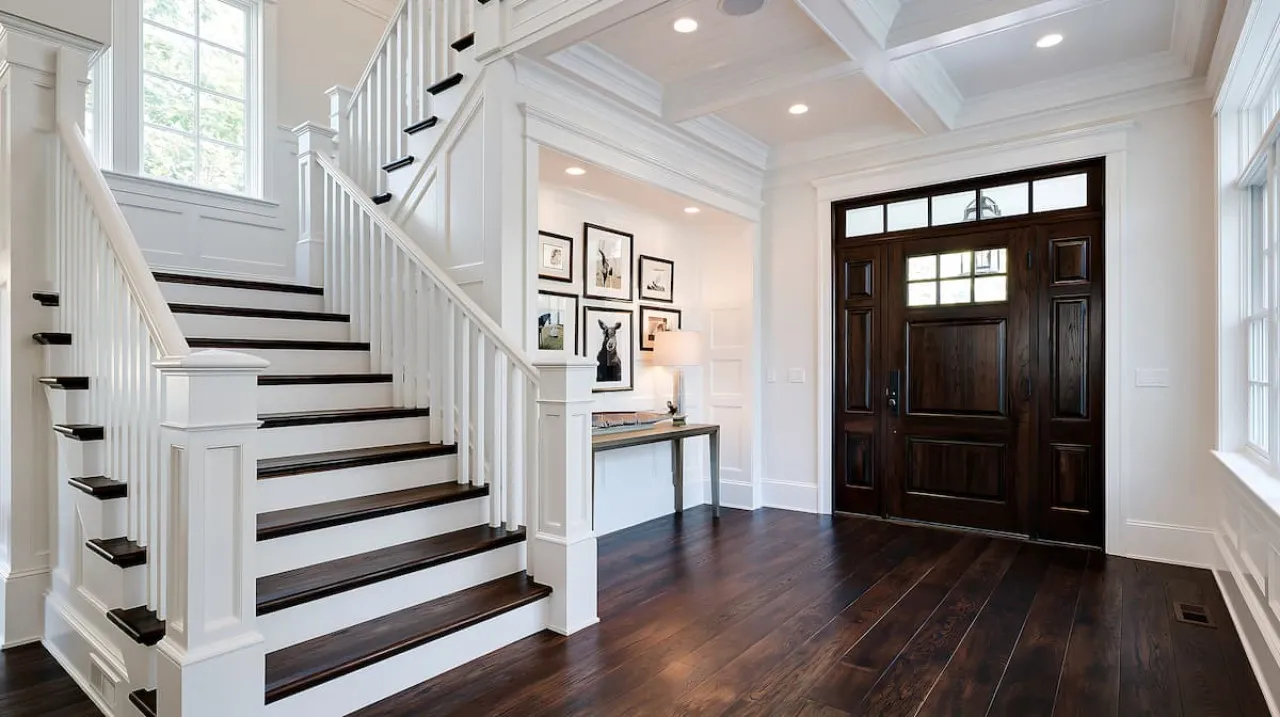
When it comes to the different parts and types of houses, the term “foyer” may still sound unfamiliar to some people or is often associated with luxury houses. A foyer is a transitional space that connects the entryway to the main living area.
A foyer isn't just a visually appealing decorative feature. It also serves several important functions that enhance your home.
Want to know how this transitional area can transform your house's feel while maximizing functionality? Explore the full range of foyer functions and design inspiration below to choose the best concept for your dream house!
What Is a Foyer?
For Indonesians, the term “foyer” may still sound somewhat unfamiliar, as the entrance to a house is typically connected directly to the living room. Unlike European- or American-style houses, a foyer is a transitional space located right between the porch and the main rooms, such as the living room or family room.
Simply put, this area functions much like a lobby or reception area in a commercial building. In addition to separating the outdoor area from the interior, this space serves as the starting point, creating a first impression while reflecting the house's architectural character.
It is no wonder that more modern middle-class and luxury houses have begun to incorporate it in recent years.
The Functions of a Foyer in a House
Although its appearance is often designed to captivate visitors, this area serves many practical purposes.
Beyond enhancing visual appeal, the foyer also improves residents' comfort and safety. Here are several functions of the foyer in a house that you should know:
1. A Transition Area Between the Exterior and Interior of the House
As the first point of entry, this area, often called a lobby or front hallway, warmly welcomes guests while making a first impression of the house.
It provides a transition for anyone moving from the outdoors to a more private or formal area of the house.
2. Enhancing Privacy and Security at Home
Although located at the front of the house, this area plays a crucial role in maintaining residents' privacy. As a buffer to the main living areas, such as the living room or family room, it effectively blocks direct views from the outside.
So, even if the front door is wide open, visiting guests cannot immediately peek inside your house.
3. Enhancing the House’s Interior Aesthetics
A neat, attractive transition area boosts your home’s interior appeal and makes a strong first impression on guests. You can display various decorative items here, such as paintings, sculptures, and even houseplants.
It can serve as a connecting hallway, but you can also use this key interior design element as a favorite photo spot that enhances both the aesthetics and overall comfort of your home.
4. As a Substitute for the Living Room
Located right in front of the main door, this corner can also be flexibly repurposed as an alternative living room. This area is ideal for welcoming guests who are only stopping by briefly, such as neighborhood association representatives, salespeople, or delivery drivers, without having to invite them deep into the house.
To make it feel more welcoming and comfortable during brief conversations, add a small chair as a simple place to sit.
5. Storage Area
This area can also serve as a practical storage space for your daily activities. Add hooks or special shelves so items like helmets, jackets, umbrellas, and shoes have their own designated spots.
As a result, your house will feel tidier, and you will not have to stress about finding your travel essentials when you are in a rush.
Read also: Top 10 Minimalist Terrace Design Ideas to Match Your Style!
Practical Tips for Designing a Foyer in Both Small and Spacious Houses
Designing the entryway is not actually complicated. Align the layout with your house’s interior design concept without making the space feel cramped. Since foyers tend to be compact, avoid large antique furniture, which can make the space feel cramped.
As a basic guide, here are some tips you can apply to create a foyer that’s both aesthetically pleasing and functional:
- Use large mirrors: Hanging a large mirror near the entrance can make the room feel more spacious, especially in a minimalist house.
- Choose functional, proportionate furniture: Include a shoe rack, storage cabinet, or a slim credenza. Add a bench or a single-seater sofa in wood or pastel colors to make putting on shoes comfortable while creating a warm atmosphere.
- Use efficient partitions as dividers: If you don't have dedicated walls, use partitions made of wood, glass, stainless steel, or even bookshelves to block direct views into the interior, saving space and money.
- Explore flooring elements: Create visual boundaries with tiles featuring unique or contrasting patterns, and use easy-to-clean rugs in high-traffic areas.
- Make the most of your walls: Match the base paint color to the main interior scheme, then add unique accents, such as an arched wall, textured paint, wallpaper, or wall panels. Don’t forget to hang picture frames or paintings to enhance the atmosphere.
- Display indoor plants: A touch of green always brings a space to life. Place potted plants on tables or shelves, position them in a corner, or create a vertical garden on the wall.
- Install a statement pendant light: Choose a pendant light with a design that complements your house’s overall style for captivating visual appeal at first glance.
Read also: 3 Furniture Ideas To Save Space and Building Material
Various Foyer Design Ideas
Although the concept is still relatively unfamiliar and often associated with spacious, luxurious houses, this transitional area in front of the entrance is versatile and can adapt to many house designs.
If you are interested in adding a unique touch to this entryway, here are some design inspirations you can draw from:
1. An Elegant and Masculine Vibe
The wood in the parquet flooring, wall decor, and large decorative table creates a warm yet sophisticated atmosphere.
Combined with a strong black color scheme and a unique chandelier as the focal point, this reception area will feel even more masculine and elegant from the moment you step inside.
2. Simple Minimalist Style
For those who prefer a minimalist style, use white as the dominant paint color to make the room feel clean and spacious. Stick to essential furniture and avoid too many decorative items, such as a coat/bag hook, a simple chair, and a shoe rack, to keep the entryway functional without clutter.
3. The Functional Japandi Style
The Japandi style always prioritizes space efficiency. Use wooden-paneled partitions with wall mirrors, paired with custom multifunctional cabinets. These cabinets can serve as a place to sit while putting on shoes, a display area, and a place to neatly store helmets and jackets.
4. Modern Industrial Look
For those who prefer an unpolished aesthetic, define the entryway with exposed concrete, brick-patterned wallpaper, and glass partitions. Complete this corner with a bench, whose underside can store organizer boxes or shoes, plus accessory hooks and an eye-catching industrial-style pendant light.
5. Simple Designs for Small Houses
You don’t need much space to create a charming entryway. Place a small console table with fresh plants, then hang a mirror on the wall to create a more spacious look. This simple decor is enough to make the entryway look charming and aesthetically pleasing.
That’s a complete overview of foyer functions and design inspirations you can apply to your house. However, remember that the beauty of this entryway design must be balanced with a sturdy, durable building structure.
This is where selecting high-quality materials, especially cement, plays a crucial role in ensuring your house's long-term durability. To protect your building from moisture damage, you can rely on Semen Merah Putih Watershield.
This super-premium, multipurpose cement offers several advantages over regular cement and is highly versatile for a wide range of construction needs, including foundations, concrete slabs, cast-in-place concrete, brickwork, and even plastering and skim coating.
Thanks to its water-repellent technology, this cement provides triple protection that effectively blocks water seepage from the outside, inside, and the ground. As a result, structures become stronger, more durable, and require less maintenance.
Ready to build your aesthetically pleasing and sturdy dream house? Contact us now to get the best materials and construction solutions for your personal construction project!