
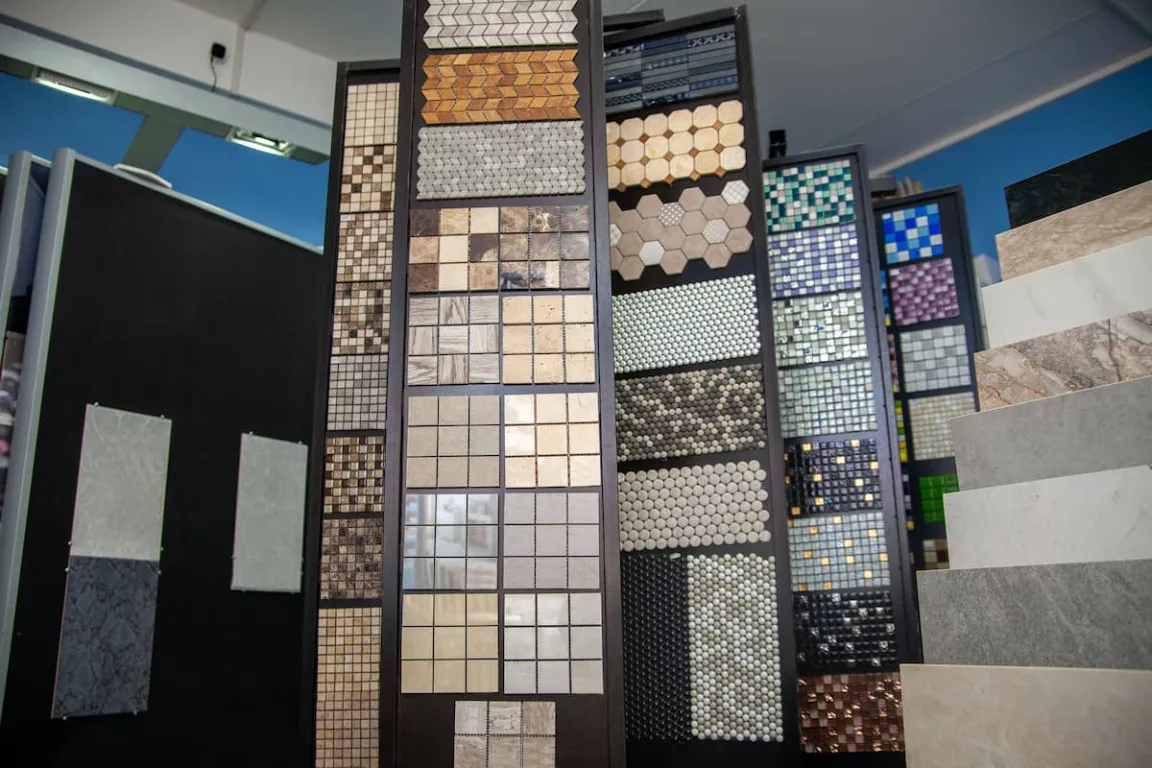
Walls and floors are parts of a building that are often the focus of decoration. One way to beautify both of these areas is by using mosaic tiles.
Unlike regular tiles, mosaic tiles come in a wide variety of colors, textures, and patterns, letting you create a more visually appealing look. These tiles are often used as decoration in specific areas, such as bathroom walls, kitchen countertops, or headboards.
To learn how to properly install mosaic tiles on a wall, read this article to the end.
How to Install Mosaic Tiles on a Wall
Installing mosaic tiles on a wall requires precision to ensure the final result looks neat, is durable, and matches the desired design.
Mosaics can also be used in various areas, ranging from mosaic bathrooms that create a more attractive look to living room wall mosaics that enhance the interior’s appearance.
Each step must be carried out correctly, from surface preparation to the finishing process. Here are the steps for installing mosaic tiles on a wall that you can follow:
1. Prepare Thoroughly
Before you begin installing mosaic tiles, prepare thoroughly to ensure a neat result that lasts longer.
This also applies when installing mosaic tiles on a kitchen wall, as the design, color, and size should match the room’s concept so the tiles blend seamlessly with other interior elements.
Also, ensure the wall surface where you'll install the mosaic is clean, dry, and level. An uneven surface or one with residual dirt can make it difficult for the mosaic to adhere properly and may lead to damage after installation.
2. Cut the Mosaic to Size
After determining the installation pattern, cut the mosaic to fit the dimensions of the area where it will be installed. Use a sharp, appropriate cutting tool to ensure clean cuts and avoid damaging the mosaic tiles.
Make sure each piece matches your design, especially in corners or areas that require custom dimensions.
Precise cutting makes the mosaic installation process easier, and the final result looks more polished.
Read also: 5 Building Material Types for House Floors
3. Prepare the Mosaic Adhesive
Once you've cut the mosaic tiles to size, prepare the special adhesive for installation. Choose an adhesive compatible with the mosaic material to ensure strong adhesion and a long-lasting installation.
Apply the adhesive evenly to the surface where the mosaic will be installed, and make sure every part gets enough adhesive so the mosaic adheres properly and doesn't shift easily.
4. Install the Mosaic on the Surface
Once the adhesive is ready, install the mosaic tiles on the prepared surface. Press the tiles into place gently and ensure they align with the pre-designed pattern to prevent shifting.
Use tools such as a mosaic squeegee to press down and smooth the tile surface so each piece adheres properly and the finished installation looks neat.
5. Complete the Finishing Steps
Once you've installed all the mosaic tiles, complete the finishing steps to ensure a neat, high-quality result. Gently clean the mosaic surface of any remaining adhesive, dust, or dirt to ensure it looks clean and glossy.
Additionally, double-check each section to ensure no tiles have shifted and there are no uneven gaps.
If necessary, apply a special protective coating to help keep the mosaic surface durable, moisture-resistant, and less prone to damage.
Read also: How to Apply Natural Stones on Cement Wall
Pros and Cons of Using Mosaic Tiles
Before choosing mosaic tiles as a decorative material, it is important to understand their pros and cons first. That way, you can tailor the use of mosaic tiles to your needs, the room’s design concept, and your budget.
Pros of Using Mosaic Tiles on Walls
Here are some pros of using mosaic tiles:
1. Easy to Shape and Cut
Mosaics are flexible in shape, making them easy to adapt to the installation area. The cutting process is also simple, especially for the mesh backing, which you can cut with scissors. This makes it easier to install mosaics in areas with specific shapes or hard-to-reach corners.
2. Wide Variety of Patterns and Colors
Mosaics are available in a wide variety of colors, patterns, textures, and sizes. This variety makes it easy to match them to your desired room design style, whether you want an elegant, natural, or more colorful look.
3. Creating an Attractive and Distinctive Look
Arranging small pieces in a mosaic creates unique visual patterns, making a room look more decorative. Mosaics can serve as accent elements that make walls or floors look more appealing than ordinary ceramic tiles.
Cons of Using Mosaic Tiles on Walls
In addition to their many advantages, mosaic tiles also have several drawbacks that should be considered, including:
1. Complicated Installation
Installing mosaic on walls requires greater precision because there are more grout lines. As a result, the installation process tends to take longer. Additionally, the grout requires periodic maintenance to keep it clean and neat.
2. Relatively Higher Price
Mosaic tiles are generally more expensive than regular ceramic tiles. The cost can vary depending on the material, brand, quality, and pattern you choose. So, tailor your mosaic selection to your budget to ensure the final result meets your expectations.
That concludes our guide to installing mosaic tiles on walls, along with their pros and cons. To ensure the finished installation looks beautiful and lasts, make sure every step is done correctly.
In addition to installation techniques, choosing high-quality construction materials is also key to maintaining the wall's strength and durability over the long term.
One material that can support a building's quality is Semen Merah Putih Watershield.
Semen Merah Putih Watershield features water-repellent technology that provides triple protection, helping shield buildings from seepage from the outside, the inside, and the ground.
With this protection, buildings can become stronger, more durable, and easier to maintain. It not only protects against seepage, but Semen Merah Putih Watershield is also a super-premium multipurpose cement for a wide range of construction needs.
Semen Merah Putih Watershield is suitable for foundation work, concrete slabs, castings, bricklaying, plastering, and skim coating. With the right materials, you can maximize construction results and achieve higher quality.
To find construction solutions tailored to your project’s needs, contact Semen Merah Putih today. We are ready to help you bring your project to life with high-quality materials and reliable service.
Read also: Exposed Cement Wall for Modern Bathroom