
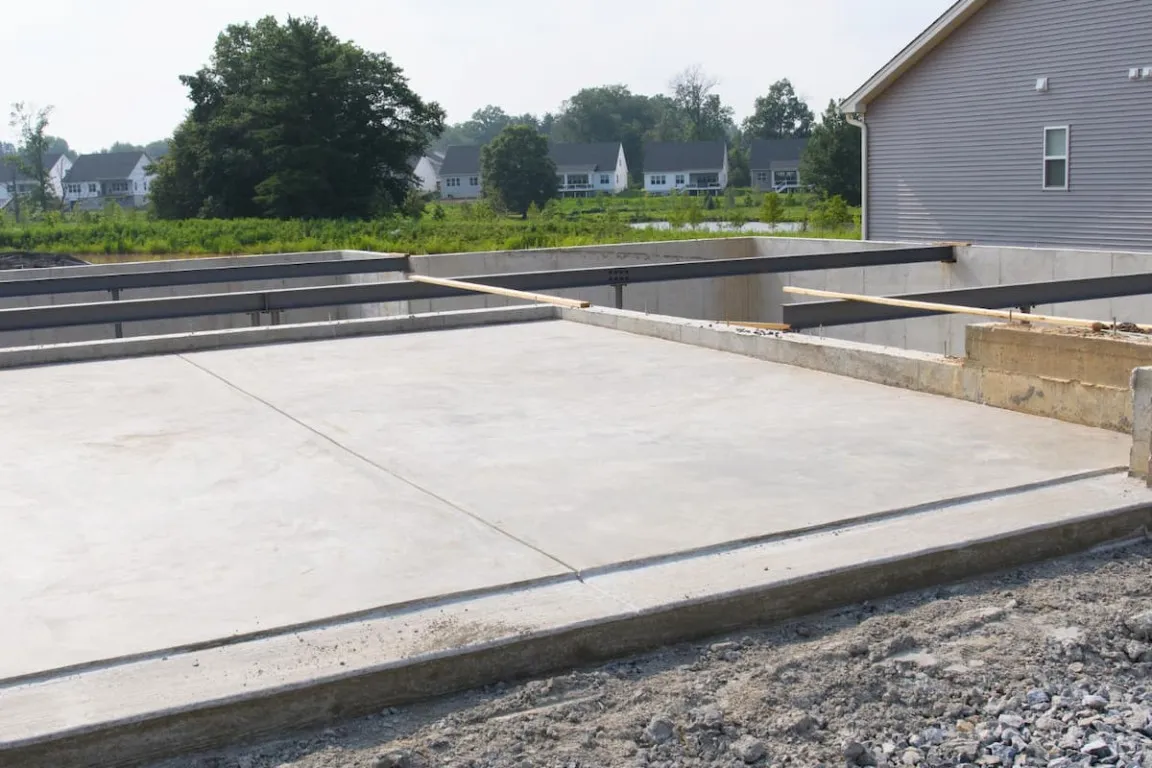
You may often hear the term concrete deck block in the construction industry. This material is indeed important, especially in multi-story buildings, such as hospitals, shopping centers, or offices.
Its role is crucial to ensure the strength and safety of the building structure. Concrete deck block functions as a spacer or barrier between reinforcing bars and concrete molds.
The goal is to ensure the thickness of the concrete blanket complies with technical standards, making the building construction stronger and more durable. Ignoring the use of this material can affect the durability of the building.
Then what exactly is the function of a concrete deck block, and how is it applied in the world of construction? Do not worry, this article will thoroughly discuss all of this information. Let's see the discussion below!
What Is a Concrete Deck Block?
Concrete deck block is a cylindrical or small cube-shaped construction material made from a mixture of concrete, sand, and aggregate. It is often referred to as concrete tofu or “beton tahu” in Indonesian due to its unique shape.
This material functions as a spacer, maintaining the distance between reinforcing bars and concrete molds to ensure the concrete blanket's thickness meets standards, thus protecting the bars from corrosion.
In addition, concrete deck block helps distribute loads evenly, prevent cracks due to uneven casting, and muffle sound in multi-story buildings. This material is suitable for a variety of projects, ranging from residential houses and office buildings to bridges and industrial areas that require high bearing capacity.
The concrete deck block has a smooth surface, withstands heavy loads and high pressure, and is resistant to extreme weather and fire, making it safe and durable. Its strong structure also provides design flexibility with an aesthetic appearance that can be painted as needed.
Thanks to these advantages, concrete decking is often used as flooring in multi-story buildings and bridges.
Functions of Concrete Deck Block
Concrete deck block has a vital role in building construction. Here are some of the main functions of concrete deck blocks that support the strength and safety of building structures.
1. Easy to Install and Save Time
Ready-mixed concrete decking is practical and easy to install by placing it between the reinforcing bars before casting. This quick process saves time and labor costs because it eliminates the need for manual spacers, while minimizing casting errors through precise measurements.
Read also: Construction Technology: Definition, Development, and Types
2. Sound Absorbing in Multi-Story Buildings
In addition to being a spacer, a concrete deck block also functions to reduce sound in multi-story buildings. This material helps reduce noise from the top floor to the bottom, creating a more comfortable atmosphere, especially in apartments or shopping centers.
3. Extends Building Longevity
Concrete deck block protects the reinforcing bars and maintains the proper thickness of the concrete blanket, extending the life of the building. This protection makes the structure resistant to extreme weather, earthquakes, and other damaging factors. For example, in bridges exposed to salt water and pollution, it reduces maintenance costs.
4. Protects Against Corrosion
Another function of the concrete deck block is to protect reinforcing bars from corrosion or rust. Corrosion occurs when iron reinforcement is exposed to water, air, or chemicals, which can weaken the building structure and potentially cause damaging effects.
With a concrete deck block, the rebar will be encased in a thick layer of concrete, preventing direct contact with these rust-inducing elements. This also helps reduce the risk of concrete cracking due to the spread of rush that can lead to water leakage and damage to the building structure as a whole.
Types of Concrete Deck Block
Concrete deck blocks are available in various types that are tailored to the needs of construction projects. Each type has a specific shape, size, and function to support the strength and accuracy of the building structure. Here are some types of concrete deck blocks that are commonly used in the concrete industry.
1. Conventional Concrete Deck Block
A conventional concrete deck block is the most commonly used type and is made from a mixture of concrete, sand, and aggregate. This type offers good strength at an affordable cost, making it very budget-friendly and suitable for building construction, including residential, commercial, and public infrastructure.
Besides being easy to find in the market, the conventional concrete deck block is also ideal for applications that require moderate durability while remaining cost-efficient.
2. Iron Concrete Deck Block
An iron concrete deck block is a combination of concrete and iron reinforcement designed to withstand heavy loads, making it suitable for large-scale projects, such as high-rise buildings, bridges, or public infrastructure.
With a thick layer of concrete, this material not only provides extra strength but also protects the rebar from rusting due to exposure to water and air, making it more durable and ideal for structures that require high bearing capacity.
Read also: Get to Know the Role of Subcontractors in Construction
3. Plastic Concrete Deck Block
The plastic concrete deck block is made from high-quality plastic materials that are lightweight, flexible, and waterproof. However, it is less strong than conventional concrete, making it more suitable for small or temporary projects.
It is easy to install, reusable, and often chosen for renovations, temporary pavilions, or exhibition areas due to its affordability.
Size Variations of Concrete Deck Block
Concrete deck block sizes vary according to the needs of the construction project. Generally, you will find some standard sizes, which are:
- 62mm diameter: This size is often used for large projects, such as high-rise buildings or bridges, because it is made of high-quality concrete that is strong and durable, suitable for heavy loads and high bearing capacity.
- 5cm thickness (with a diameter of 10cm): This is a common choice for various casting works, such as columns, beams, and floor slabs, as this thickness is ideal for ensuring the concrete blanket meets technical standards.
- Customized Size (20mm–80mm): This size variation allows for customization to meet specific project needs, such as casting columns or beams with unique structural designs, to maintain optimal concrete blanket thickness.
How to Install Concrete Deck Block
Installing concrete deck blocks requires precision for optimal results. Here are the steps:
- Prepare the required materials and equipment, such as concrete deck block, reinforcing bars, concrete formwork, and a water pass.
- Place the concrete deck block between the reinforcing bars before casting, making sure it is positioned according to the structural design.
- Ensure even spacing between decking using a water pass for optimal load distribution.
- Check that the surface is flat after installation to ensure perfect casting results and no cracks.
- Do a final check before casting begins to ensure all concrete deck blocks are installed correctly and according to standards.
That is a complete explanation of concrete deck blocks, covering their definition, function, and types in the construction industry. The proper use of concrete deck blocks is crucial to ensure the concrete blanket's thickness meets standards and maintains the building's structural strength, especially in multi-story projects.
For sturdier and more durable construction results, make sure you also use high-quality materials, such as products from Beton Merah Putih. We provide a variety of solutions, including Ready-Mix Concrete, Precast Concrete, and aggregate, designed to meet the needs of modern construction, both for high-rise buildings, housing, and large infrastructure.
Do you want to know more? Contact us for a consultation and detailed information on the best products for your project!
Read also: 17 Types of Foundation in Construction and How to Choose Them