
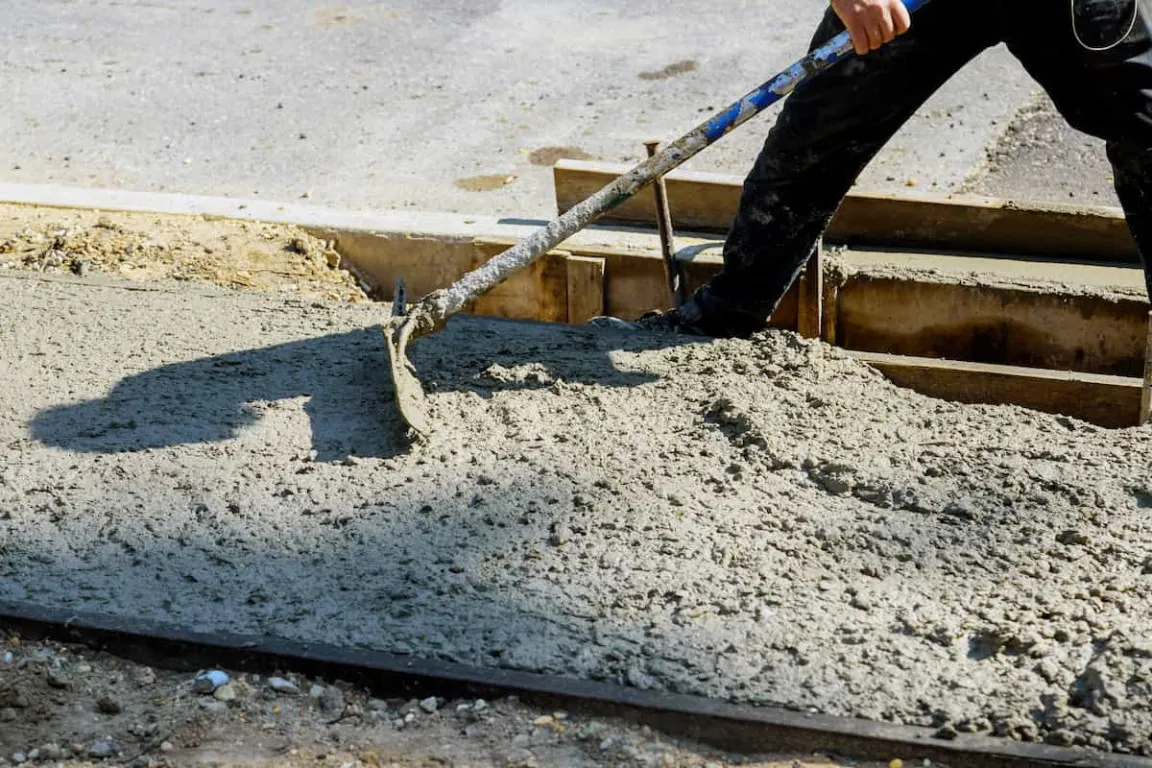
Bleeding concrete is a common problem that often occurs during casting. This condition can degrade the structure's quality if not handled properly. You need to understand this from the outset to prevent damage.
This phenomenon usually occurs when materials in the concrete mixture separate, causing water to rise to the surface. The impact can make the concrete more brittle and prone to cracking. Learn the causes and how to overcome them by reading this article.
What Is Concrete Bleeding?
Concrete bleeding is a condition in which water in the concrete mixture rises to the surface after casting. This phenomenon occurs because of the difference in specific gravity between water and solid materials, which causes water to be pushed upward as concrete begins to harden.
This condition usually occurs when the concrete mixture has excess water, the compaction process is suboptimal, or the aggregate type is unsuitable. As a result, the concrete surface appears wet, and a thin, uneven water layer forms.
If left unchecked, bleeding can affect the final quality of the concrete because the surface becomes more brittle and prone to cracking. Therefore, understanding the bleeding process is important for maintaining the concrete grade in various construction projects.
Causes of Concrete Bleeding
Several factors contribute to concrete bleeding. The following are some of the most common causes of bleeding in concrete:
1. Excessive Water Content in the Mix
Excess water in the mixture makes it difficult for solid particles, such as cement and aggregates, to maintain their position. Too much water reduces the viscosity of the mixture, so the solid materials cannot bind together properly. Since water has a lower specific gravity, it will be pushed to the surface as the concrete begins to settle.
2. Excessive Use of Additives
Additives that improve workability, such as superplasticizers, can make the concrete mix too thin if used excessively. When the cement mixture is too liquid, the solid materials in it cannot maintain their position and lose their binding power. Water that is not properly retained eventually moves up to the surface, triggering bleeding in the concrete.
3. Excessive Amount of Cement Mix
Too much cement in the mixture can make the concrete mix more slippery and difficult to maintain its stability. Excess cement increases water demand, making the mixture more fluid. When viscosity decreases, solid particles settle faster to the bottom, and water is pushed to the surface.
4. Extreme Weather Conditions
Hot, windy weather can accelerate water evaporation from the concrete surface. When evaporation occurs faster than the cement setting process, water from inside the mixture tends to rise to replace it. This process increases the risk of bleeding, especially if the concrete you make already has a high water-to-cement ratio.
Read also: What Is Concrete Chipping? Definition, Standards, and Schedule
Effects of Bleeding on Concrete
Concrete bleeding can affect the overall quality and strength of the structure. Understanding its various impacts helps you take appropriate preventive measures from the casting process onward. Here are some of the effects:
1. Decreased Concrete Strength
Bleeding causes water to accumulate on the surface, making the concrete more porous. This condition makes the structure less dense than it should be. As a result, the compressive strength of the concrete can decrease, and its durability diminishes over time.
2. Concrete Surface Becomes Fragile
Water rising to the surface forms a thin layer that weakens the concrete's surface. The concrete surface becomes easily chipped or abraded when subjected to load. This also prevents the concrete finishing from adhering properly.
3. Cracks in Concrete Are More Likely to Occur
Excess water rising to the surface can create cavities and unstable areas. When concrete hardens, these moisture differences can trigger fine cracks. These small cracks can develop into more serious damage if not repaired.
4. Formation of Cavities and Voids in Concrete
Excessive bleeding can leave small cavities within the concrete. These voids can make concrete more susceptible to water absorption, increasing the risk of reinforcement corrosion. If left untreated, this condition reduces the service life of the concrete structure.
5. Producing an Uneven Concrete Surface
Water rising to the surface can cause uneven settling in concrete areas. This makes the surface look wavy or have large pores. An uneven surface reduces both the aesthetic quality and functionality of the concrete.
Read also: The Right Concrete Mix Ratio According to SNI Standards
Ways to Overcome Concrete Bleeding
To prevent future structural damage, it is important to understand the proper steps for addressing it before the concrete begins to set. Here are some common methods practised to overcome or prevent concrete bleeding:
1. Choose the Right Material Mix
Selecting the right materials is the first step to preventing bleeding. Fine and coarse aggregates must be of good quality and appropriate size. A balanced mix helps maintain concrete stability during pouring.
2. Calculate Material Mix with the Correct Ratio
The ratio of water, cement, and aggregates needs to be calculated correctly ensure the concrete mix ratio is not too thin. Excess water relative to cement or aggregates can trigger material separation, increasing the likelihood of bleeding. Adhering to standard mix design helps maintain concrete quality.
3. Mix the Materials Properly
The mixing process should be continued until all materials are fully blended. A heterogeneous mixture causes heavy particles to settle quickly and water to be pushed to the surface. Even mixing helps reduce the risk of bleeding.
4. Use Additives Sparingly
Additives such as superplasticisers can improve workability, but their use must be in accordance with the specified dosage. Overuse makes the concrete too fluid, increasing the risk of bleeding. Always follow the manufacturer's recommendations for the best results.
5. Perform Compaction After Pouring
Compaction helps release trapped air and keeps the material dense. Concrete that is not properly compacted tends to experience mix separation. Using a concrete vibrator correctly can enhance strength and reduce bleeding.
Read also: Concrete in Construction: Learn the Functions and Types!
6. Control the Drying Speed of Concrete
Drying that occurs too quickly causes the concrete surface to lose moisture and draw water from the interior. This condition can worsen bleeding. Covering the concrete surface or maintaining moisture helps the drying process become more uniform.
7. Pay Attention to Weather Conditions
Hot or windy weather can affect the evaporation of water from concrete. Pouring concrete under extreme conditions increases the risk of bleeding. Adjusting the pouring time or providing protection can help maintain concrete quality.
That concludes the discussion of concrete bleeding, from its definition and causes to how to address it to maintain optimal structural quality. Bleeding in concrete is a common problem that can occur during pouring and, if not properly managed, affect the strength and durability of the concrete.
To achieve stronger, denser concrete with minimal bleeding risk, choosing high-quality building materials is an important step. One option is Semen Merah Putih Watershield, a premium multipurpose cement with water-repellent technology that provides extra protection against water seepage. This technology helps maintain the mix's stability and supports longer-lasting concrete quality.
If you are planning a construction project or repairing a concrete structure, use the right, durable materials to achieve the best possible results. Semen Merah Putih Watershield can be an ideal choice for various building needs, including areas prone to moisture.
Want to learn more or need material recommendations for your project? Contact us now to consult on your construction needs!
Read also: Concrete Compressive Strength: Definition and Underlying Factors